
Understanding field sobriety tests and why they're not always accurate
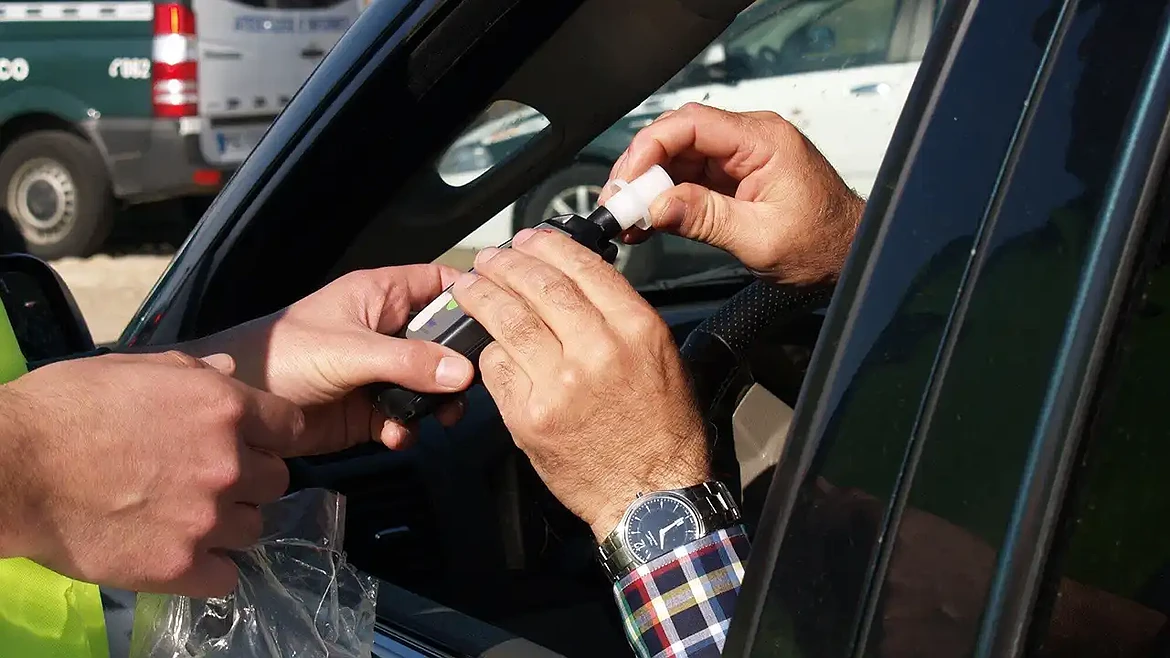
If a police officer suspects you've been driving impaired, they'll likely ask you to undergo tasks that gauge physical and mental capacities, collectively known as standardized field sobriety tests (FSTs). The problem is that they're subjective and many factors can influence them, meaning they aren't 100% accurate.
From the testing environment to your age, medical condition, and physical and mental state, these are some of the factors that can affect the accuracy of FSTs. The officer's administration and experience can also influence the results.
Due to their inaccuracy, many people, even sober individuals, "fail" FSTs. A report from WSMV4, for instance, found that between 2017 and 2023, over 600 drivers in Tennessee got arrested for DUI. They were completely sober at the time of their arrest.
Understanding the problems with FSTs is, therefore, critical, as they can make or break DUI cases.
What Are the Three Most Common Field Sobriety Tests?
The first is the Horizontal Gaze Nystagmus (HGN) test. There's also "Walk-and-Turn (WAT)", with the third being the One-Leg Stand (OLS) test.
During an HGN test, an officer moves a small object (e.g., a pen) horizontally (side to side) in front of a person's face. The testee must follow the object, which should be about 12 to 15 inches from their face, with their eyes. The officer looks for clues that suggest impairment (e.g., eyes jerking as they move).
WAT involves walking in a straight line. The testee must take nine heel-to-toe steps, turn in a series of small steps, count aloud, and walk back nine steps. If they use their arms for balance, miss steps, or take improper turns, the police may "consider" them impaired.
The OLS field sobriety analysis involves the testee standing with their arms at their sides and their feet together. They would then have to raise one leg about six inches from the ground while counting 1-30 aloud. Police officers will look for signs of impairment like swaying, hopping, or miscounting.
Why Do People Refuse Field Sobriety Tests?
Standardized FSTs are not mandatory. In many states and situations, people have the legal right to refuse them.
Individuals may choose to refuse FSTs because they're aware of field sobriety test flaws and inaccuracies. They may also decline a request for these roadside law enforcement testing procedures because they know that the following can lead to false indications of impairment:
- Existing medical conditions
- Current mental state (e.g., nervousness or anxiety)
- Problems with physical health (e.g., presence of injuries)
Individuals may also refuse FSTs because they know that issues with sobriety test reliability can result in false positives, which can be enough grounds for law enforcement to arrest and charge them. Even if it's a false positive, a charge can still lead to a conviction, which carries severe penalties.
The exact consequences differ from one state to another, although most DUI convictions lead to license suspension and hefty fines. Jail time is also possible, as noted on the website of DUI attorney Cody Long. Courts may also require substance treatment programs.
How Reliable Are Field Sobriety Tests?
The accuracy of sobriety tests varies, with HGN being the most reliable.
According to the U.S. Department of Justice Office of Justice Programs, the National Highway Traffic Safety Administration (NHTSA) sponsored testing that established the reliability rate of FSTs:
- HGN: 77%
- WAT: 68%
- OLS: 65%
The above figures show that even the most reliable test, the HGN, or Horizontal Gaze Nystagmus, has a considerable error margin of 23%.
Why Should You Care About the Accuracy of Field Sobriety Tests?
The accuracy of standardized field sobriety tests matters because their results, which aren't 100% foolproof or reliable, can result in unfair arrests, wrongful charges, and unjust convictions.
DUI arrests, charges, and convictions, even wrongful ones, remain on record. A DUI arrest, for instance, can still show up on background checks, even if it doesn't lead to a charge or conviction.
A DUI conviction, on the other hand, will appear on both driving and criminal records. It's typically a permanent record, unless you go through the legal process of having it sealed or expunged.
In addition to the fines and penalties associated with a DUI conviction, it can also impact your current and future auto insurance rates and employment. It can make your insurance premiums skyrocket, and employers may choose not to hire you or terminate you, particularly if your job has to do with driving.
Over time, all those consequences of having a DUI record can put a lot of stress on your finances and overall health and well-being.
Frequently Asked Questions
What Should You Do if a Police Officer Asks You to Undergo FSTs?
It's entirely up to you, but you can choose to exercise your right and refuse to undertake field sobriety tests. If you refuse, do so in a polite manner. Be clear and concise, and state that you are refusing under the advice of your legal counsel (if you have one).
Can Law Enforcement Officers Force You to Take FSTs?
No, law enforcement officers generally cannot force drivers to undergo field sobriety tests. However, they can still pursue an arrest if they have other probable causes that you were operating a motor vehicle under the influence.
An example of a probable cause is erratic driving, such as speeding, running a red light, or swerving. Police officers can also look for physical manifestations of impairment, such as bloodshot eyes, slurred speech, or the odor of substances on you or in your car (e.g., smell of alcohol or marijuana).
Should You Hire a DUI Lawyer?
Consider hiring a DUI lawyer, ideally immediately after an arrest (within 24 to 48 hours).
The sooner you retain one, the sooner they can start building your defense and preserving your rights. They will immediately gather evidence, such as your account, witness testimonies, police reports, and bodycam footage, which can play essential roles in defending you against the arrest or charge.
Don't Let Inaccurate FSTs Challenge Your Freedom
Standardized field sobriety tests may be helpful in determining impairment, but they're not always accurate and can yield false positive results. The fact that they're not 100% reliable should be enough for you to consider refusing them if necessary and plausible.
Then, immediately following an arrest, it's best to consult a DUI lawyer.
Explore other related guides and informative posts like this by browsing the rest of our news platform.
This article was prepared by an independent contributor and helps us continue to deliver quality news and information.