
Seasonal landscaping mistakes to avoid this year
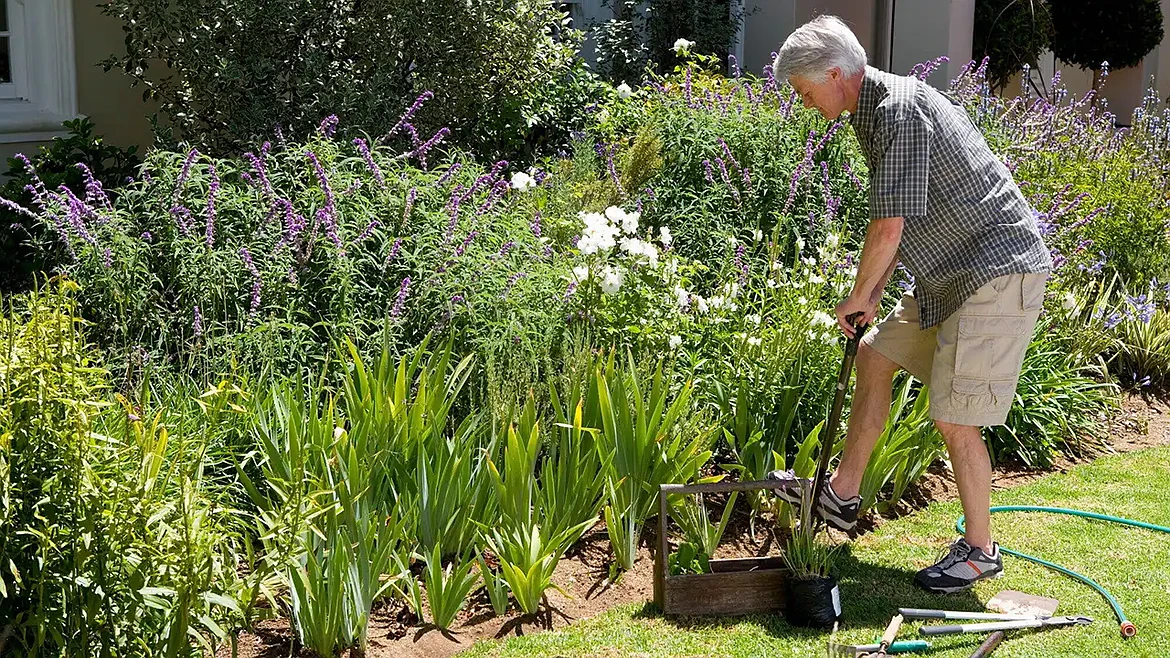
Seasonal landscaping mistakes to avoid this year include watering schedules that don't match the season, neglecting soil care, and planting at the wrong time. These common missteps are often the reason a garden isn't thriving and can leave even the most enthusiastic gardener frustrated.
Seasonal mistakes are magnified by Australia's shifting climate. National rainfall was 11% below average in 2024, according to the Bureau of Meteorology, leaving gardens more vulnerable when watering schedules or soil quality are overlooked.
This guide highlights the most common landscaping pitfalls and shows you practical land care strategies and yard improvement tricks to avoid seasonal gardening errors this year.
Why Does Seasonal Landscaping Matter?
Seasonal landscaping matters because Australia's climate is harsh on gardens. Long, hot summers test irrigation systems, while cool winters expose plants that aren't frost-ready.
Spring brings a burst of growth, but without preparation, weeds take over. Autumn is the time to reset the soil and prune before the next cycle begins.
When you tailor your garden care to these shifts, plants stay healthy, and your outdoor space looks good all year.
What Should You Avoid When Doing Seasonal Landscaping?
Seasonal landscaping can go wrong quickly. Keep an eye on these:
Skipping Proper Planning
One of the biggest landscaping pitfalls is jumping into planting without a plan. Throughout the year, seasons bring different needs, such as:
- Preparing the soil in spring
- Irrigating in summer
- Pruning in the fall
- Protecting in winter
Rushing plantings or hardscape work for a quick win usually backfires. Beds end up crowded, sightlines clash, and you spend next season fixing avoidable mistakes.
Slow down and map the space. Ask yourself:
- How big will each plant get?
- How much sun hits each zone?
- What does my soil actually support?
- What maintenance will this add in six months?
Neglecting Soil Health
Plants can't outperform bad soil. If you skip the basics, roots struggle from day one. Coastal sands tend to lack nutrients and are fast-draining, while heavier inland clays can bog roots and starve them of air.
Check what you're working with, then build it up with compost and organic matter to improve fertility and drainage.
Choosing Plants Unsuitable for Climate or Location
Planting for looks is a common mistake. Imported ornamentals often demand more water than councils allow under summer restrictions. Here's a breakdown to consider:
Spring (September-November) is the growth surge. Choose natives such as:
- Kangaroo Paw (Anigozanthos): Iconic spring flower with vibrant red, yellow, and green tones.
- Bottlebrush (Callistemon): Striking red blooms that draw birds and bees.
- Paper Daisy (Xerochrysum bracteatum): Hardy wildflower with long-lasting colour.
Hot, dry summers (December-February) demand drought-tolerant plants that can handle water restrictions. Take a look:
- Grevillea: Tough shrub with year-round flowers, loved by nectar-feeding birds.
- Westringia (Native Rosemary): Hardy shrub with lavender-like flowers, ideal for hedges.
- Pigface (Carpobrotus): Succulent groundcover with bright pink blooms, thrives in coastal heat.
Autumn (March-May) is the reset season. It's time for planting hardy natives:
- Banksia: Unique cone-like flowers, excellent for autumn planting.
- Correa (Native Fuchsia): Bell-shaped flowers that bloom through cooler months.
- Waratah (Telopea): Striking red blooms, a symbol of resilience in cooler weather.
Cool winters (June-August) expose weak plants, but many natives thrive and add seasonal colour. This includes:
- Wattle (Acacia): Golden blooms brighten winter landscapes and support pollinators.
- Hardenbergia (Purple Coral Pea): Climbing vine with purple flowers, perfect for fences.
- Lilly Pilly (Syzygium): Evergreen tree with edible berries, great for screening.
Overcrowding Plants
This leads to competition for water and nutrients, especially during hot summers. Poor air movement can also reduce pest and disease resistance.
Spacing depends on the mature size of plants. A good starting point is to space plants at least half the expected mature width apart.
Improper Watering and Irrigation
Australian summers are harsh, and water restrictions are often in place. Overwatering wastes resources, while underwatering stresses plants.
Check the soil before watering; if the top few centimetres are still damp, hold off. A moisture meter can help you gauge exactly what's needed. Water deeply but less often, adjusting for rainfall and season.
Employ drip irrigation or soaker hoses. Water early morning or evening to reduce evaporation.
Neglecting Tree and Shrub Care
Trees and shrubs anchor Australian landscapes but are often overlooked. Skipping pruning or ignoring pests like borers and scale weakens them.
Schedule seasonal inspections. Collaborate with landscape maintenance experts for safe pruning and arboricultural advice.
Forgetting Mulch Management
Mulching is extremely important in the Australian climate to retain moisture and suppress weeds. Apply it evenly, keeping an area around stems free. Renew layers annually or seasonally.
Overlooking Hardscape Maintenance
Retaining walls, paths, and patios suffer under Australia's extremes of heat and rain. Inspect hardscape in spring and autumn. Fix minor issues to avoid expensive repairs.
Frequently Asked Questions
How Can I Keep My Garden Attractive Year-Round, Not Just in One Season?
Use a mix of evergreens, seasonal bloomers, shrubs, and structural plants. Combine different plants that flower or provide foliage in other seasons.
Include hardscape elements and design features that offer shape and functionality even when plants are dormant.
How Do I Successfully Grow a Seasonal Edible Garden?
Choose crops suited to each season. Rotate plant families to protect the soil and add compost regularly. Use this plant guide:
- Spring: Tomatoes, beans, strawberries.
- Summer: Corn, melons, chillies.
- Autumn: Broccoli, spinach, carrots.
- Winter: Kale, peas, citrus.
How Do I Design Outdoor Spaces for Summer Entertaining and Winter Comfort?
Plan adaptable features. This can include:
- Summer: Install pergolas or retractable awnings for shade, use fans or misting systems for cooling, and set up outdoor kitchens or BBQ zones for entertaining.
- Winter: Add fire pits or patio heaters for warmth, enclose patios with screens or glass panels to block wind, and layer seating with cushions, throws, and rugs for comfort.
- Year-round: Choose durable materials, modular furniture, and lighting that can shift from bright summer evenings to warm winter tones.
Seasonal Landscaping Mistakes to Avoid This Year
Seasonal landscaping is about consistency, not shortcuts. By avoiding these common pitfalls, you'll see immediate improvements in your garden. Smart care strategies protect your investment and create outdoor spaces you're proud of.
Looking for more inspiration beyond this gardening advice? Visit our Lifestyle section for more seasonal ideas and tips.
This article was prepared by an independent contributor and helps us continue to deliver quality news and information.