
Why are traditional burials dying out? Younger people explain their choices.
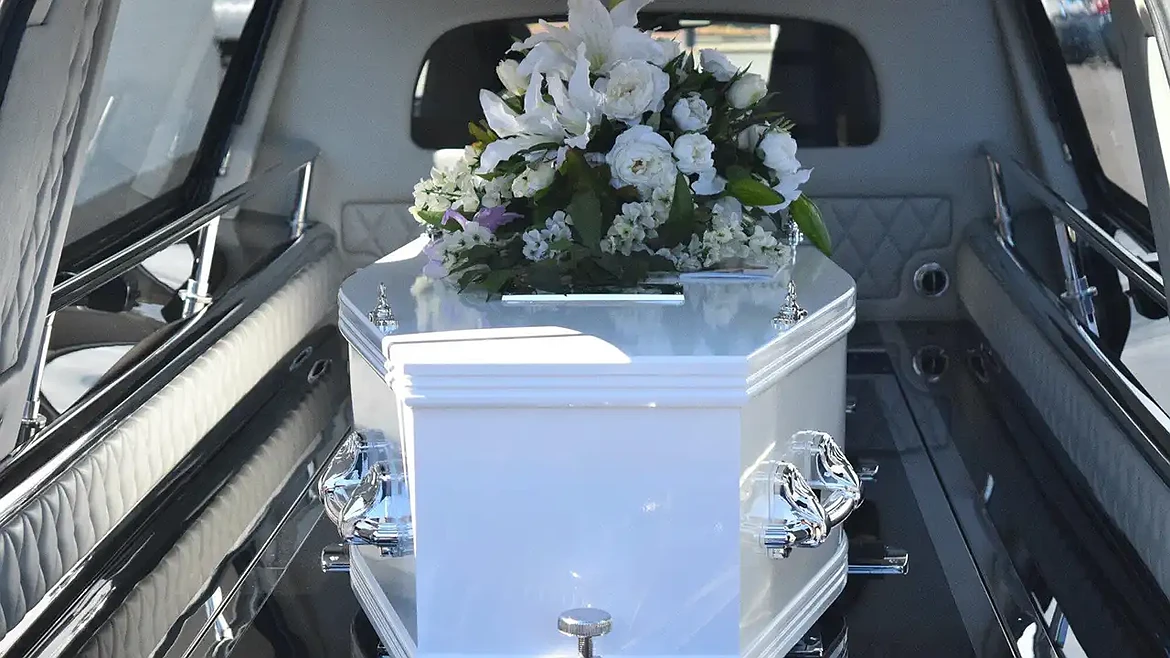
Traditional burials are fading because younger generations want death care to reflect their values around cost, sustainability, flexibility, and personal meaning. Rising funeral prices, environmental concerns, and a move away from rigid religious norms are reshaping end-of-life preferences. For many people, modern options feel more honest, practical, and aligned with how they lived.
At a backyard memorial, there's no formal dress code, no hushed procession, and no rigid program to follow. Stories flow freely, music plays that actually mattered to the person being remembered, and the gathering feels personal rather than prescribed.
Moments like this are shaping how younger generations think about death long before they need to plan for it. Instead of asking which tradition to follow, they are asking which goodbye feels real.
Rising Costs and the Decline of Traditional Burials
Rising costs are one of the clearest reasons traditional burials are declining among younger generations. Funeral expenses tied to caskets, embalming, burial plots, and cemetery fees often feel disconnected from modern financial realities, especially for families already managing:
- Housing costs
- Student loans
- Caregiving expenses
- Medical bills or long-term health costs
Younger people tend to view end-of-life planning through a practical lens. Many see lower-cost alternatives as a way to reduce stress on loved ones and avoid leaving behind financial obligations.
As awareness grows around pricing transparency and simpler options, traditional burials are increasingly viewed as optional rather than expected.
Exploring Modern Burial Alternatives
As traditional burials continue dying out, younger people are actively exploring alternatives that feel more practical and personal. Cremation, green burial, and simplified memorial services offer flexibility without sacrificing meaning, which resonates with people who value choice over convention. These options allow families to focus on remembrance rather than a rigid process.
Modern burial alternatives also reduce long-term obligations and planning complexity. Many younger adults prefer arrangements that are easier for loved ones to manage while still honoring the individual in a thoughtful way. Common innovative burial methods gaining traction include:
- Direct cremation without a formal service
- Green burials using biodegradable materials
- Celebration of life gatherings held outside funeral homes
- Memorial services without a gravesite
- Natural burial shrouds instead of caskets
The appeal lies in control and clarity. When people understand their options, they are more likely to choose paths that align with their values instead of defaulting to traditional burial expectations.
Personalizing Changing Burial Practices
arrangements to reflect personality, values, and lived experiences rather than follow a fixed script. A standard funeral service can feel disconnected from the individual it is meant to honor.
Changing burial practices allows families to design memorials that feel intentional and emotionally honest. Personalization often shows up through choices like:
- Non-traditional venues
- Customized music or readings
- Informal gatherings instead of formal services
- Memorials centered on storytelling
- Photo or video tributes that reflect everyday life
- Charitable donations tied to personal causes
These approaches give families permission to focus on meaning instead of formality. As expectations shift, traditional burials are no longer seen as the default but as one option among many, chosen only when they truly fit the person being remembered.
That continues after the burial service itself, with how younger people are choosing to memorialize their loved ones. People are even investing in jewellery to hold ashes.
How Social Attitudes Are Shaping End-of-Life Choices
Social attitudes around death have shifted, especially among younger generations who value openness and conversation over silence. Topics that were once avoided are now discussed more openly with friends and family, including funeral preferences and end-of-life wishes. That openness reduces reliance on tradition and encourages thoughtful decision-making.
As conversations become more normalized, people feel less pressure to follow inherited customs. Younger adults are more likely to question whether traditional burials make sense for their lives and relationships. Social acceptance of alternative choices continues to reinforce the decline of traditional burial practices.
Planning Ahead And Reducing Family Burden
Younger people are increasingly motivated by the desire to make things easier for their families. End-of-life planning is viewed as a practical responsibility rather than something to postpone. Traditional burials often involve complex decisions made under emotional stress.
Simpler arrangements reduce uncertainty and decision fatigue for loved ones. By choosing clear and straightforward options in advance, many younger adults feel they are offering care and consideration, which further explains why traditional burials are dying out.
FAQs
Why Do Some Religions Bury Their Dead Quickly?
Some religions bury their dead quickly because timely burial is seen as a sign of respect for the body and a way to honor spiritual beliefs about death. The practice emphasizes dignity, humility, and the natural return of the body to the earth without unnecessary delay.
In faiths such as Islam and Judaism, prompt burial is a religious obligation rooted in sacred law and tradition. Quick burial also reduces the need for embalming or prolonged preparation, which aligns with beliefs about preserving the sanctity of the body and keeping funeral practices simple.
What Is the Most Eco-Friendly Way To Bury Someone?
The most eco-friendly way to bury someone is a green burial, which avoids embalming chemicals and concrete vaults. The body is placed directly into the ground using natural materials, allowing it to return to the earth with minimal environmental impact.
This approach:
- Reduces land use
- Prevents chemical leakage
- Supports natural soil regeneration
- Protects surrounding ecosystems
What Religions Prohibit Cremation?
Some religions strictly forbid cremation, while others allow it with conditions. The differences come down to how each faith views the body after death and the meaning of burial.
Islam prohibits cremation outright. The body is considered sacred and must be buried intact as quickly as possible, making cremation incompatible with Islamic law.
Judaism traditionally forbids cremation. Orthodox and Conservative communities strongly oppose it, while Reform Judaism may allow it, though burial remains the norm.
Eastern Orthodox Christianity does not permit cremation. Physical burial is required for a funeral to take place within the church.
Traditional Burials: Finding a New Path
There are so many reasons that young people are moving farther away from traditional burials.
Do you need more tips on planning for the end of life? Check out the rest of the Daily Interlake's lifestyle section for all the information that you might need.
This article was prepared by an independent contributor which helps us continue delivering quality content to our audiences.