
Why investing in consumer trust will take you farther than ads
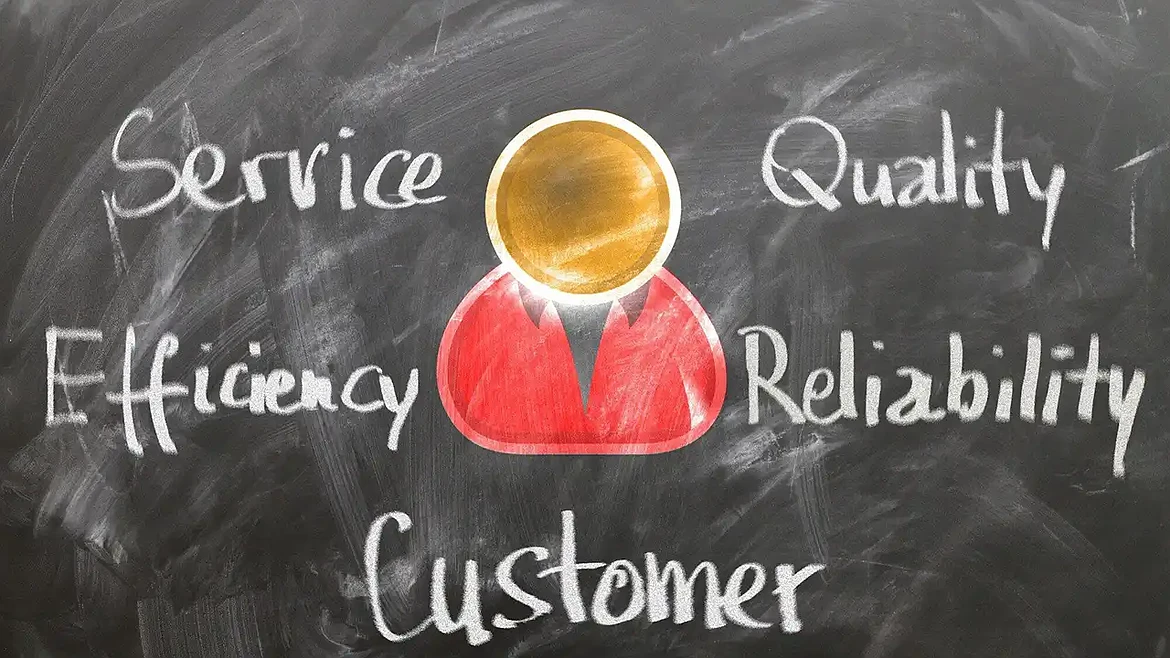
Whether you're an existing or soon-to-be business owner, you need to invest in consumer trust, as it's a critical foundation for long-term revenue generation. While ads are crucial, too, particularly for attention and awareness, consumers can easily ignore or even distrust them.
Indeed, most American consumers have little to no trust in advertising practitioners. As Marketing Charts points out, a recent Gallup survey found that only 8% of U.S. adults rate advertising practitioners' honesty and ethical standards as high (7%) or very high (1%).
Such low figures underscore the importance of consumer trust and why building it among your target market is key to positively influencing purchase decisions now and in the long run.
What Is Consumer Trust?
Consumer trust refers to the confidence and faith that a consumer has in a brand or company. When customers trust your business, they believe your organization will:
- Deliver on its promises
- Operate with integrity and transparency
- Maintain high product or service quality
- Implement measures designed for customer safety and security
What Is the Erosion of Consumer Trust?
When consumer trust erodes, it means that the public's belief and confidence in the honesty, integrity, and reliability of a brand or institution has declined or continues to do so. Several factors contribute to this problem, including the following.
Misleading Advertising
Misleading advertising practices are among the most common reasons behind the erosion of consumer trust. A study published in Advances in Consumer Research found that the use of such practices has become an alarming and prevailing issue in virtual markets. They include:
- Unethical advertising
- False information
- Deceitfulness
Such practices breed mistrust and skepticism. Further compounding these problems and making consumers even warier are underwhelming products and overpromising influencers, as noted by this beauty brand agency.
Greenwashing
Greenwashing refers to the deceptive marketing practice of exaggerating the environmental credentials of a brand, company, or product. It deceives by making goods or institutions appear more eco-friendly or sustainable than they really are.
Data Breaches
Data breaches are also eroding consumer trust, resulting in negative consumer behavior trends. Help Net Security cited a study that found seven in ten people would stop shopping with a brand if it suffers a breach. A Vercara study found that nearly six in ten (58%) would just stop trusting them.
Why Will Investing in Consumer Trust Take You Farther Than Ads Alone?
Prioritizing consumer trust over advertising practices alone can help your business go further because its goal is to instill long-term loyalty. It can give your organization a competitive boost, as it provides the tools needed to build a more resilient brand reputation.
Think of consumer trust as the "currency" that can transform your potential customers into long-term advocates of your brand. Advertising, on the other hand, is the mechanism to reach and make consumers aware of your trustworthy brand.
Long-Term Loyalty
Without trust, consumers are unlikely to do business with a brand or company, much less be a repeat customer. Consumers who trust a brand, on the other hand, are more likely to buy and become loyal customers.
Statistics back this up, with Exploding Topics noting that over eight in ten consumers need to trust a brand first before they consider purchasing. Trust also makes consumers more than twice as likely to buy first, be advocates, and stay loyal to a brand.
Increased Customer Lifetime Value (CLV)
CLV refers to the total profit or revenue a business can expect from one customer over their entire business relationship. It starts with the first purchase and concludes with the customer's final transaction.
As mentioned above, customers who trust a brand are more likely to stay loyal to it. High consumer trust, therefore, can lead to increased CLV rates, as loyalty encourages repeat business.
Competitive Resilience
Your business needs competitive resilience so that it can adapt to, withstand, recover from, or even thrive during:
- Sudden industry disruptions
- Market pressures
- Economic downturns
- Market saturation (e.g., increased number of competitors)
Building consumer trust can help your organization become more competitively resilient because of its loyalty-fostering effects. The more loyal customers you have, the more it can make new ones intrigued about your offerings.
The growth in your market share can then justify premium pricing, which can help ensure revenue stability even during market volatility and economic downturns.
More Efficient Customer Acquisition and Retention
As long as consumers trust your business, they're more likely to choose you over your competitors. Retaining customers costs less than acquiring new ones.
Your existing customers' loyalty can also give rise to word-of-mouth referrals. They can become your brand's advocates, sharing the good news about your products or services to their friends, family, colleagues, and social media connections.
Thanks to this "free" publicity, you can further reduce your customer acquisition costs.
Frequently Asked Questions
Do You Still Need Ads Even With High Consumer Trust?
Yes. You still need to advertise your business even once you've achieved high consumer trust ratings, as ads are necessary for maintaining visibility and driving further growth.
Ads are particularly crucial when you want to spread awareness about new products, services, systems, or operating practices. A carefully curated, transparent advertising campaign can also help reinforce existing consumer trust and drive brand recall.
How Do You Build Consumer Trust?
Being consistent and honest with all your customer interactions is key to building consumer trust. Never make any promises or claims that you can't deliver (e.g., guaranteeing delivery times that aren't realistic or instant results from using a product).
Another strategy for building consumer trust is to provide exceptional, empathetic, and prompt customer service. Acknowledge and validate your customers' feelings and concerns, and aim to resolve issues during the first contact whenever possible.
You should also respond to each consumer review or feedback, whether it's positive or negative.
Thank happy customers and reiterate that you "look forward" to doing future business with them. As for unhappy customers, show empathy and provide a resolution (e.g., refund or replacement).
Invest in Consumer Trust for Loyalty and Competitiveness
From fostering long-term loyalty to increasing CLV and boosting competitive resilience, these are some of the top reasons you should invest in consumer trust rather than ads alone. Remember: Without trust, consumers will unlikely do business with you in the first place.
Find other related reads and informative guides by exploring more of our news platform.
This article was prepared by an independent contributor which helps us continue delivering quality content to our audiences.