
What patients should know about minimally invasive solutions for spine relief
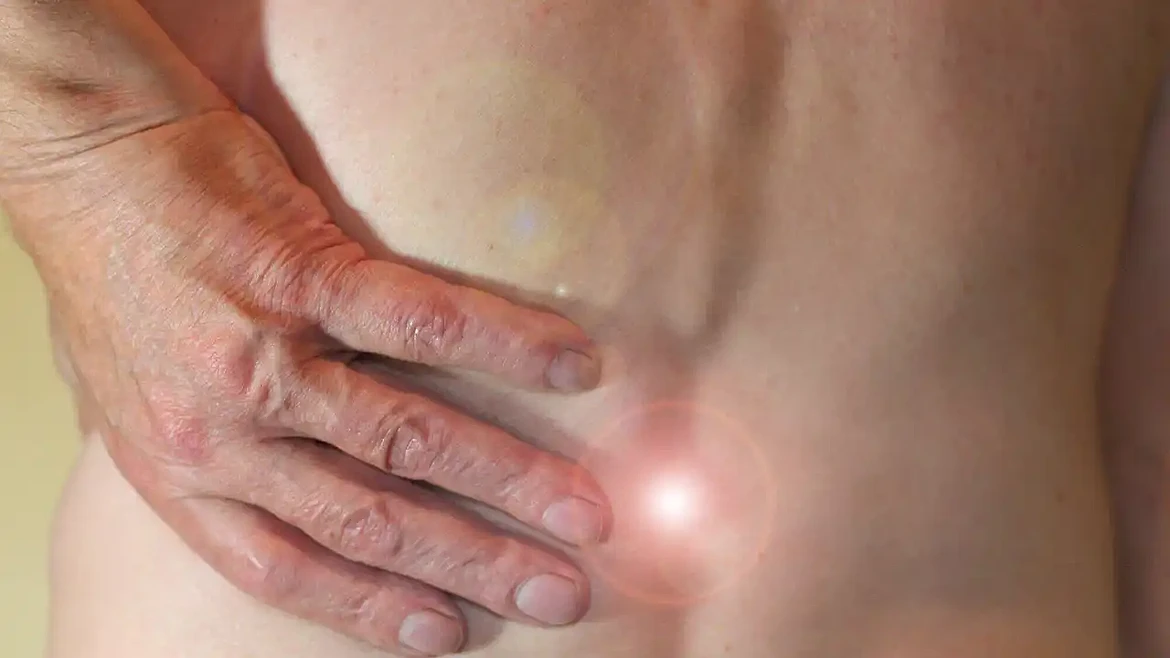
The condition of spine discomfort creates two major problems that block people from moving freely, cause them to lose sleep, and reduce their ability to perform their daily activities. Modern medical technology enables spine relief through minimally invasive procedures. These methods reduce tissue damage and produce shorter recovery times, combined with improved spinal function in the long run.
The current medical practices use advanced methods. They help patients find spine pain relief while maintaining their ability to move and maintain spinal stability.
Reports from Frontier state that back and neck pain affect millions of Americans each year, including many residents in and around Kalispell, MT. The persistent discomfort creates various issues. This interferes with work performance and many activities while simultaneously causing harm to physical wellness.
Medical progress enables patients to receive new spine treatment options that deliver exact results and help them recover from their conditions. The treatment options work to reduce pain while safeguarding surrounding tissues. This allows patients to start their regular activities as soon as possible.
The knowledge of minimally invasive surgical methods enables patients to participate actively in their treatment choices by working very closely with the medical staff.
What Are Minimally Invasive Solutions for Spine Relief?
The treatment method of minimally invasive approaches involves using small incisions together with specialized instruments and imaging technology to locate the pain origin. The procedures function through distinct methods from traditional surgical procedures because they protect tissues from damage while preserving all healthy tissue structures. Patients who do not achieve long-term relief from their spine pain through conservative treatments often choose these alternatives.
Key characteristics of minimally invasive care:
- Small incisions that result in less scarring
- Advanced imaging for precise targeting
- Decreased blood loss during medical procedures
- Shorter hospital stays or outpatient care
The development of minimally invasive surgical methods provides doctors with new treatment approaches. They can use this to treat:
- Disc problems
- Spinal stenosis
- Nerve compression
This treatment approach achieves results equal to standard methods while minimizing the number of complications that may affect patients.
Common Conditions Treated With Minimally Invasive Techniques
Patients seek care for a range of spinal conditions that affect mobility and comfort. Providers often evaluate imaging, symptoms, and functional limits before recommending treatment.
Frequently addressed conditions include:
- Herniated or bulging discs
- Spinal stenosis causing nerve pressure
- Degenerative disc changes
- Facet joint pain
Many individuals explore non-surgical spine treatments first, including:
- Physical therapy
- Targeted injections
- Activity modification
Minimally invasive options may follow when symptoms persist or progress.
How Do Minimally Invasive Procedures Support Faster Recovery?
Recovery remains a key concern for patients, balancing health needs with daily responsibilities. Modern techniques emphasize tissue preservation and controlled access to affected areas.
Recovery advantages:
- Less postoperative discomfort
- Lower infection risk
- Quicker return to movement
- Reduced reliance on pain medication
Enhanced recovery methods focus on early mobility and guided rehabilitation. Many patients resume light activities within days, depending on the procedure and individual health factors.
Understanding the Role of Precision Technology
Technology plays a central role in modern spine care. Surgeons rely on real-time imaging, navigation systems, and specialized tools to improve accuracy.
Technology in spine care consists of:
- Fluoroscopy and imaging guidance
- Endoscopic visualization
- Targeted instrumentation
Precision allows providers to address pain sources while minimizing impact on surrounding structures. These tools contribute to consistent outcomes and improved patient confidence.
When Minimally Invasive Surgery Becomes an Option
Care plans often begin with conservative therapies, including physical therapy, activity modification, and targeted injections. Providers evaluate the following:
- How long have symptoms persisted
- How pain affects daily function
- Whether or not imaging shows structural changes contributing to nerve irritation or instability
Ongoing pain that limits mobility, sleep, or work often signals the need to explore procedural options.
In some cases, spinal decompression surgery becomes appropriate when nerve compression leads to persistent pain, numbness, or weakness that does not improve with non-surgical care.
Considerations for Patients in Kalispell, MT
Residents of Kalispell, MT, value access to clear information and community-based resources. Local patients often seek options that support outdoor lifestyles and active routines. Weather, work demands, and family responsibilities influence recovery planning.
Providers encourage patients to ask detailed questions and understand all options. Shared decision-making remains essential for successful outcomes.
Preparing for a Minimally Invasive Spine Procedure
Preparation supports safety and recovery. Care teams provide guidance tailored to each patient.
Preparation steps include:
- Review medications and supplements
- Follow pre-procedure activity guidelines
- Arrange transportation and short-term assistance
- Understand postoperative instructions
Clear communication helps set expectations and reduces stress before treatment.
Frequently Asked Questions
How Long Do Results From Minimally Invasive Spine Procedures Last?
Outcomes depend on the condition treated, overall health, and adherence to recovery guidance. Many patients experience long-term improvement when procedures address the underlying cause of pain.
Lifestyle choices, posture, and physical conditioning also influence durability. Providers often recommend ongoing exercise and ergonomic adjustments to support lasting results.
Regular follow-up appointments help providers monitor progress and address new symptoms early. Ongoing education also helps patients maintain habits that protect spinal health over time.
Are Minimally Invasive Options Safer Than Traditional Spine Surgery?
Minimally invasive approaches aim to reduce risks associated with larger incisions and muscle disruption. Lower infection rates, reduced blood loss, and faster mobility are commonly reported benefits.
Safety depends on proper patient selection and experienced providers. Thorough evaluation ensures the approach aligns with individual needs.
Patients should also understand that outcomes improve when procedures are performed at appropriate stages of disease progression. Open communication with a spine specialist helps clarify expectations and potential risks before treatment.
What Role Does Rehabilitation Play After Treatment?
Rehabilitation supports healing and function following procedures. Physical therapy focuses on:
- Strength
- Flexibility
- Movement patterns
Guided programs help prevent reinjury and improve confidence in daily activities. Many patients in Kalispell, MT, appreciate structured plans that fit active lifestyles.
Exploring Spine Relief Options With Confidence
Informed patients make better decisions about care. Spine relief options continue to expand through research and technology. Understanding minimally invasive approaches helps individuals weigh benefits, risks, and recovery expectations.
Continue exploring our helpful guides, articles, and latest news story updates to stay informed.
This article was prepared by an independent contributor and helps us continue to deliver quality news and information.