
What people underestimate about rear-end collisions
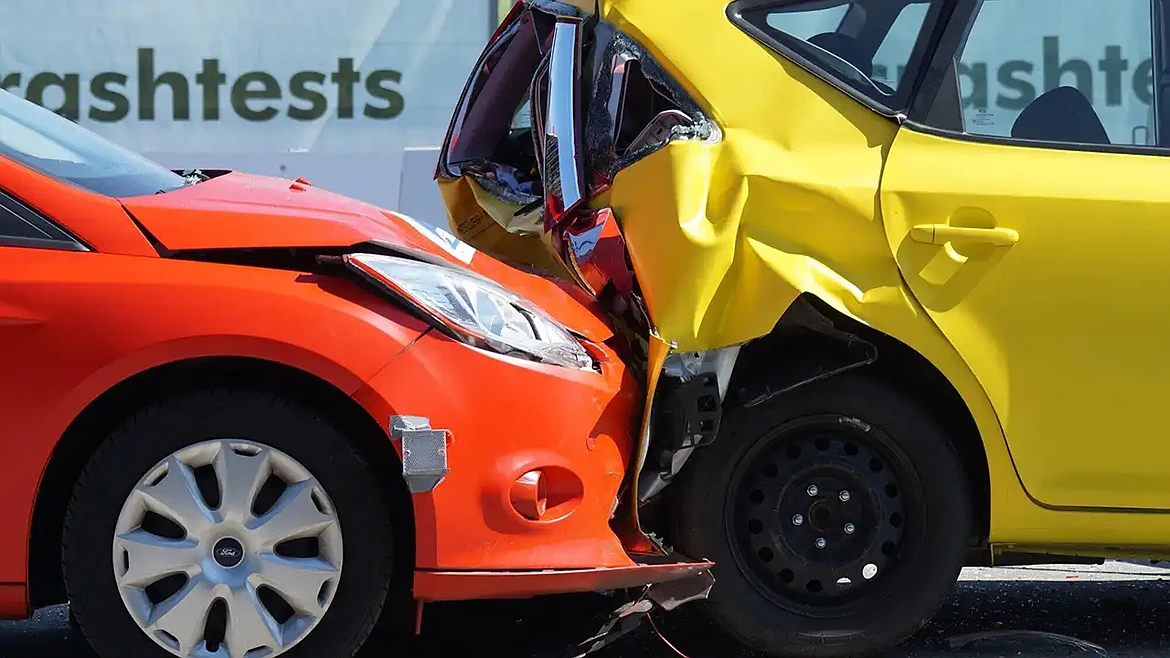
People tend to underestimate the severity of rear-end collisions when they first see them. The physical, emotional, and financial consequences of accidents tend to surprise most individuals who experience them.
The Kalispell, MT, community understands that rear-end collisions present danger, which requires drivers, their families, and the entire community to take proper precautions.
Rear-end crashes happen every day on roads across the country. Most drivers believe that these types of accidents will only cause minor damage and result in a short recovery period. People fail to recognize long-term injuries, delayed symptoms, and legal issues because of incorrect beliefs.
Most of the effects of rear-end collisions become visible only after the accident area has been cleared. Kalispell, MT, residents experience these accidents on busy corridors and seasonal traffic routes. The process of identifying concealed threats enables drivers to select safer options while they develop their abilities to manage dangerous driving situations.
What Do People Underestimate About Rear-End Collisions?
Rear-end crashes are commonly seen by drivers as ordinary traffic accidents that do not create significant problems. The following sections demonstrate how this assumption is a failure to recognize the medical, legal, and personal effects. These results become apparent when the scene has been cleared.
Hidden Injuries Appear Later
The full extent of neck, spine, and soft tissue injuries becomes apparent only after several days or weeks. The symptoms of whiplash tend to become more severe as time progresses.
Concussions produce no instant pain symptoms. The effects of collisions result in three main consequences, which are:
- Chronic headaches
- Reduced mobility
- Nerve damage
Vehicle Damage Tells Only Part of the Story
Minor bumper damage does not equate to minor injuries. Modern vehicles distribute impact a little differently.
Safety features in vehicles protect the vehicle itself, but they do not guarantee protection for human muscles and joints. The damage from rear-end collisions reveals that victims suffer more injuries than what appears from the vehicle damage.
Psychological Impact Gets Ignored
Anxiety, sleep disruption, and driving fear often follow accidents. Emotional stress affects work and daily routines. Mental health effects deserve attention alongside physical care.
Fault and Liability Are Not Always Simple
Many assume the rear driver is always responsible. Road conditions, sudden stops, and mechanical failures complicate fault decisions. Legal guidance may help clarify responsibilities.
Also, legal professionals such as Lawyer Paul da Costa often evaluate details that drivers overlook.
What Are Common Myths That Mislead Drivers?
Widespread misconceptions about rear-end crashes often prevent people from taking injuries and follow-up steps seriously. These myths can delay medical care, weaken insurance claims, and increase long-term risks after an accident.
Minor Crashes Do Not Cause Serious Harm
Low-speed impacts still strain ligaments and discs. Delayed onset pain is common. Common accident myths prevent early medical evaluation.
Pain Always Appears Right Away
Adrenaline masks symptoms. Inflammation develops gradually. Early evaluation improves recovery outcomes.
Insurance Automatically Covers All Losses
Coverage limits and exclusions vary. Documentation strengthens claims. Rear-end collision facts emphasize timely reporting.
How Rear-End Collisions Affect Daily Life
The impact of a rear-end crash often continues well beyond the moment of impact. Physical limitations, emotional stress, and unexpected financial demands can gradually disrupt daily routines and long-term stability.
Long-Term Physical Effects
Chronic pain disrupts sleep and productivity. Reduced mobility limits activities. Rehabilitation may take months.
Financial Strain Extends Beyond Repairs
Medical bills, missed work, and therapy costs accumulate. Insurance disputes delay compensation. Collision consequences affect household stability.
Family and Work Disruptions
Recovery demands time and support. Care responsibilities may shift. Employers may require medical clearance.
Why Kalispell, MT, Drivers Face Unique Risks
Seasonal tourism increases traffic density. Winter road conditions reduce stopping distance. Rural highways encourage higher speeds.
Local awareness supports safer driving across Flathead County.
Practical Road Safety Tips for Prevention
Drivers reduce risk by adopting proven habits. Road safety tips include:
- Maintaining a safe following distance
- Avoiding distractions at intersections
- Anticipating sudden stops in traffic
- Adjusting speed during weather changes
Technology Helps but Does Not Replace Awareness
Driver-assist systems support braking. Overreliance creates complacency. Human judgment remains essential.
Accident Prevention Strategies That Matter
Communities benefit from education and enforcement. Accident prevention strategies include:
- Public awareness campaigns
- Seasonal driving reminders
- Infrastructure improvements
- Consistent law enforcement presence
Local initiatives in Kalispell, MT, support safer roadways through winter preparation and public outreach.
Frequently Asked Questions
Why Are Rear-End Collisions So Common?
Traffic congestion, distracted driving, and following too closely cause many rear-end crashes. Sudden braking situations leave little reaction time. Weather conditions further increase the risk in regions like Kalispell, MT.
Seasonal tourism and commuter traffic create frequent stop-and-go patterns on local roads. Driver inattention, even for a few seconds, sharply increases collision risk.
Reduced visibility during snow, rain, or glare makes braking distances harder to judge. Higher speeds on rural highways surrounding Kalispell also contribute to more severe impacts.
Can Low-Speed Rear-End Collisions Cause Serious Injuries?
Yes, low-speed impacts still generate rapid acceleration forces. Soft tissue injuries, concussions, and spinal strain occur frequently. Medical evaluation remains important even when damage appears minimal.
Muscles and ligaments absorb force differently from vehicle structures. Symptoms such as stiffness, headaches, and dizziness may appear days later.
Delayed treatment can allow minor injuries to worsen over time. Early diagnosis supports better recovery outcomes and clearer medical documentation.
Prompt medical attention also helps identify injuries that may not be immediately visible through imaging alone. Proper documentation supports both physical recovery and accurate assessment of long-term health impacts.
What Steps Should Drivers Take After a Rear-End Collision?
Seek medical attention fast. Document the scene and vehicle positions.
Report the incident to authorities and insurers. Follow up on symptoms as they appear.
Photographs and witness statements help preserve accurate details. Medical records create a clear timeline between the collision and the resulting injuries.
Consistent follow-up ensures delayed symptoms receive proper evaluation. Organized documentation reduces disputes during insurance or legal reviews.
Understanding Rear-End Collisions Protects Drivers
Greater awareness helps drivers respond wisely. Rear-end collisions involve more than visible damage. Knowledge of risks, myths, and prevention improves safety and recovery outcomes.
Continue exploring our website for the latest news story updates and more helpful articles.
This article was prepared by an independent contributor and helps us continue to deliver quality news and information.