
Curious about ammunition safety? Experts explain what brass quality really means
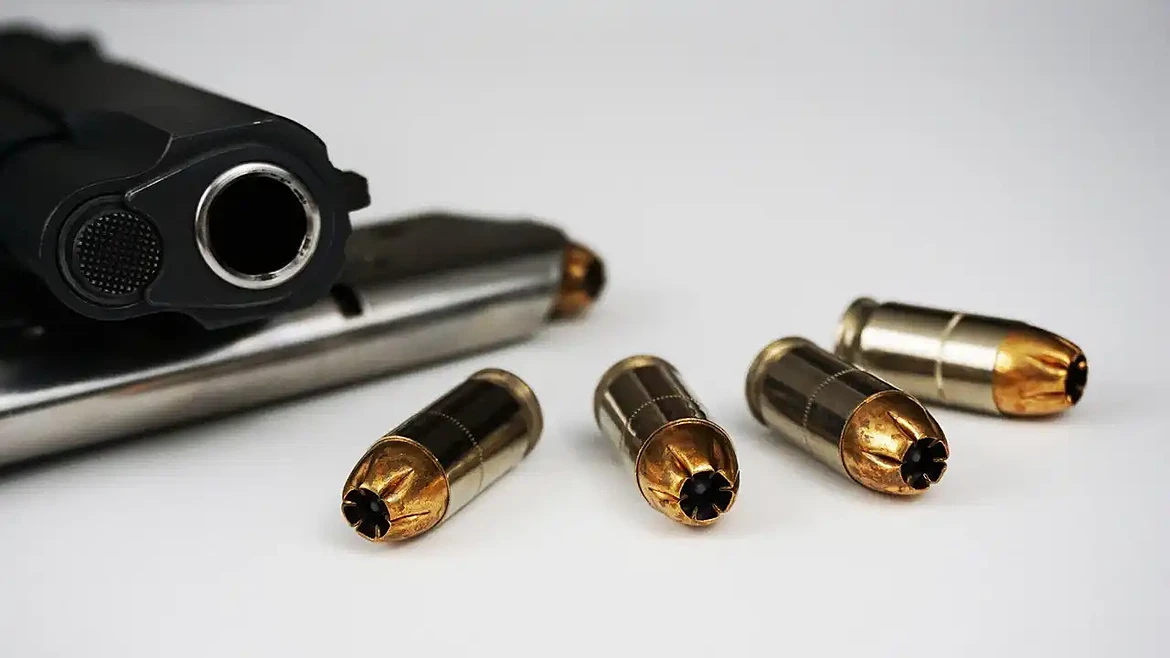
If you're new to firearms and are wondering how brass quality affects ammunition safety, the answer is that high-quality brass casings are better at maintaining structural integrity when exposed to extreme pressure. They're also crucial for consistent ignition and preventing gas leakage.
If you use poor-quality brass, on the other hand, you can face dangerous consequences like head separations or ruptured casings.
Such failures can contribute to avoidable gun-related fatalities. Data from the National Safety Council shows that of the nearly 47,000 gun-related deaths in 2023, 1% were accidental or preventable.
Understanding ammo risks and familiarizing yourself with brass ammunition insights can help you avert dangerous gun malfunctions. At the same time, they can help boost your shooting reliability and maximize your casings' lifespan.
Does Ammunition Need to Be in a Safe?
No federal law specifically mandating the use of safes for ammunition storage exists. However, some states implement laws that require the safe storage of ammo.
California is one example. As explained by KRCRTV.com, California's new Senate Bill 53, which went into effect January 1, 2026, requires the secure storage of firearms that aren't in use in locked containers or with safety devices designed to prevent unauthorized access.
The new law aims to reduce the risk of theft, accidental injuries, and unauthorized or child access.
Is Ammunition Safe to Handle?
If done correctly, handling, transporting, and storing ammunition is generally safe. However, you must always treat it as live, hazardous material, or as if it's "ready to fire" anytime.
Improper handling, transport, and storage of ammunition can result in dangerous, even deadly consequences, such as explosions and accidental discharges. Ammo can also degrade, resulting in malfunctions like:
- Misfires (when the primer fails to ignite)
- Hang fires (when the ignition gets delayed)
- Squib loads (when there's not enough power for the bullet to exit the barrel)
There's also a potential risk of lead exposure when handling brass-cased ammunition. While brass casings themselves usually contain little to no lead, the primers do. Primers refer to the tiny, impact-sensitive explosive components found at the base of cartridges or shotshells.
When you fire a gun, the primer vaporizes and leaves a trail of fine lead dust on the casing. Picking up the casing with your bare hands puts you at risk of lead exposure.
How Does Brass Quality Impact Ammunition Safety?
The use of high-quality brass is essential for meeting ammunition safety standards because of its unique, high-malleability property. Being malleable is critical, as it allows the ammo to maintain structural integrity, particularly under extreme pressure.
Consistent Ignition
High-quality brass undergoes a precise process called "annealing."
Annealing is a heat-critical treatment process that subjects ammo brass, particularly its neck and shoulder, to extreme heat ranging from 600 F to 800°F. Its goal is restore ductility and prevent cracking in the metal component.
With the brass maintaining its softness and malleability, it can expand and seal the chamber instantly once the firearm it sits in gets fired. It allows for consistent ignition and helps ensure reliable ejection of the spent casing.
Gas Leakage Prevention
The immediate "reaction" of premium brass to pressure is to create a tight seal against the firearm's chamber walls. Such a quick response prevents hot gas from blowing back into the action.
You don't want blowbacks, as they can cause guns to jam, which could then lead to potential injuries.
Pressure Containment
Ammunition case heads and walls made of brass are responsible for keeping high chamber pressures contained. If your ammo uses low-quality brass, it may have improper tempering or feature brittle spots. Such issues can be dangerous, as they can cause ruptures.
Reduced Risk of Malfunctions
Solid, high-quality, and clean brass allows for consistent and reliable feeding and extraction. Conversely, poor-quality, dirty, or damaged brass can lead to cracked necks and stuck cases. When these happen, firearms are more likely to misfire or malfunction.
Longer-Lasting Firearms
Premium quality brass helps extend the longevity of firearms, whether you're using brand-new .45 Colt or .357 MAG once-fired brass cases. They provide tighter and more consistent tolerances that help minimize wear and tear on gun components and chambers.
What Are Some Expert Ammo Tips for Safe Handling?
Whenever handling ammo, ensure your hands are clean and dry. Debris, such as oil and dirt, and moisture can compromise the cartridge's integrity. You should also don high-impact eye and ear protection before handling ammunition and shooting your firearm.
Always verify you're using the correct ammunition, too. It should be an exact match to the type and caliber specified by your firearm's manufacturer.
Inspect your ammunition before use. Look at each round for signs of damage or wear, such as corrosion, cracks, dents, and loose components. Never use corroded or damaged ammo, and ensure you dispose of problematic ammo properly.
Frequently Asked Questions
What Does Once-Fired Brass Case Mean?
Once-fired brass cases are ammunition cartridge casings fired only once. They then get collected and reused, typically for the same gun. They usually come from commercial, law enforcement, and military shooting ranges.
Why Use Once-Fired Brass Cases?
Many firearm owners, particularly reloaders, prefer once-fired brass cases because of these materials' superior cost-effectiveness. They're much more affordable than their brand-new counterparts, as they've already undergone the manufacturing and shipping process.
Since they cost less, they allow for higher-volume shooting, making them ideal for those who practice a lot.
Once-fired brass cases also provide a more optimal fit and accuracy through "fire-forming." Fire-forming is when a case that gets fired once expands to fit the chamber of a specific firearm.
Once fire-formed, the case provides a higher level of accuracy and reliability than an unused case.
Once-fired cases also have reduced work hardening, as they've only been through one firing-extraction cycle. Since they haven't gone through multiple cycles of expansion and resizing, they have a lower risk of experiencing brittleness or failure.
Brass Quality Can Make or Break Ammunition Safety
From ensuring consistent ignition to preventing gas leakages, containing pressures, and reducing risks of malfunctions, these are some of the primary ways that brass quality impacts ammunition safety.
High-quality brass can help keep things safe and even extend your firearm's lifespan. By contrast, poor-quality brass can cause catastrophic failures, from misfires to ruptures.
Find other related reads, informative guides, and the latest local, state, and national news by exploring the rest of our news platform.
This article was prepared by an independent contributor which helps us continue delivering quality content to our audiences.