
Why the demand for veterinary care is rising across the U.S
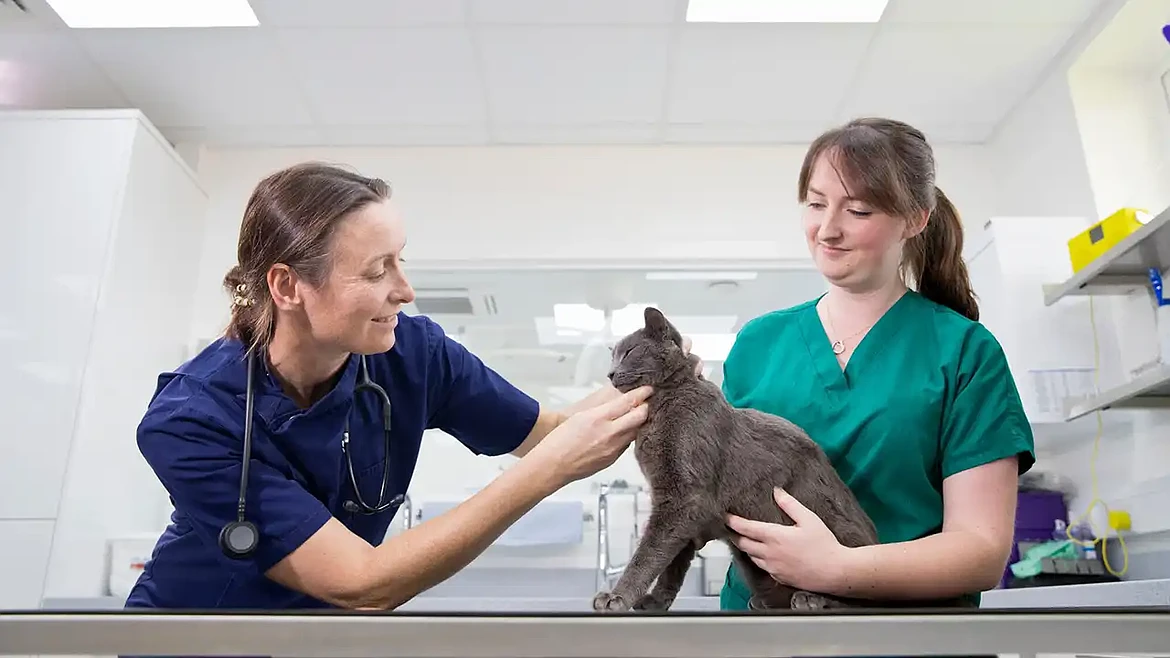
From a significant surge in U.S. pet ownership to their "humanization" and a desire to make them live longer and happier, these are all key reasons veterinary care is seeing a dramatic increase. Owners are putting more money into their pets, as most consider them family.
Indeed, a study published in the National Library of Medicine notes that 97% of American pet owners see their pets as family. The researchers even noted that half regard their pets just like humans.
Based on these figures, it's highly likely that we'll see further increases in pet healthcare demand. If you're a pet owner or considering a vet career, you'd want to stay on top of these veterinary trends, as they have a direct impact on pet care affordability, quality, and accessibility.
What Is Veterinary Care?
Veterinary care is a crucial branch of medical science, encompassing the application of scientific methodologies and principles to the health of animals. It involves diagnosing, treating, and preventing injuries and illnesses in:
- Domesticated animals (pets)
- Livestock species (e.g., farm animals)
- Wildlife
In the U.S., the animal care industry is a booming, multi-billion-dollar sector. Yahoo reports the pet care market to have grown from $147.9 billion in 2024 to a staggering $157.68 billion in 2025. Projections also anticipate it to grow further and reach $218.95 billion by 2030.
What Does Vet Care Include?
Veterinary care is comprehensive, covering an expansive array of health management services for animals, from preventative to dental care, acute illness treatment, and chronic disease management. It also caters to diagnostic veterinary service needs.
Examples of animal healthcare solutions and services that veterinarians specialize in include:
- Preventative, such as vaccinations, bi-annual or annual checkups, flea, tick, and heartworm prevention, and routine wellness screenings (e.g., blood and fecal tests).
- Oral care, including dental checkups, cleanings, fillings, extractions, and repairs.
- Medical treatments, from prescribing medications to treating minor injuries and infections, and managing chronic conditions.
- Surgical procedures, including spaying, neutering, and as treatment.
- Diagnostics, such as lab tests (e.g., blood, urine, and stool exams), X-rays, and ultrasounds.
Veterinarians also provide medical consultations and expert advice tailored to each pet's specific health needs and goals. They may, for instance, provide recommendations on exercises, positive behaviors, diet, and overall wellness.
Why Is the Demand for Veterinary Care Rising in the U.S.?
The demand for veterinary care is continuously on the rise as more Americans are choosing to become "fur parents." Humanizing animals is also becoming the norm, which is why many people now consider their pets not just as friends but as family members.
Significant Increase in Pet Ownership
The American Pet Products Association (APPA) reports that in 2023, 82 million U.S. households owned one or more pets. As of 2025, this has increased to an impressive 94 million. Of these households, 68 million or 51% own a dog, while 49 million or 37% own a cat.
With more U.S. households owning at least one pet, it's easy to see why the need for vet care will also likely increase.
Humanization of Pets
Pet "humanization" is a growing trend that involves a shift in the perception of animals as mere companions to cherished family members. Households with this perception treat their pets as they would a human loved one, such as a child.
Just like children need specialist doctors (pediatricians), pets deserve someone similar (veterinarians).
A Desire for Pets to Live Longer and Happier
The sad truth is that many common beloved pets, such as dogs and cats, naturally don't live as long as humans.
The good news is that pets are now living longer than ever, according to Health for Animals. In some nations, the increase has been as high as 230%. In the U.S., the life expectancy of dogs has jumped from 10.5 years to 11.8 years between 2002 and 2016.
The increasing lifespan of pets is thanks to advances in veterinary care and technology, combined with increased awareness of animal needs. As the number of people owning pets and regarding them as family members rises, so does the demand for vet care.
Why Does Understanding Veterinary Trends Matter?
If you're a pet owner, you'd want to understand veterinary care trends because the rising demand, coupled with veterinarian shortages, can impact pet care affordability and accessibility.
It's during these cases that you'd want to consider investing in pet insurance. A pet policy can help shield you from costly bills while ensuring your furry family member gets the healthcare they need.
If you're considering a career in the medical industry, vet trends should matter to you since being a veterinarian is one of your options. From recognizing the rising demand for vets to familiarizing yourself with how to open a clinic and understanding why change orders happen in the vet industry, these are all critical components of achieving success in this booming but strained field.
Frequently Asked Questions
What Are the Requirements to Become a Veterinarian in the U.S.?
As with other medical branches, doctors who wish to practice veterinary medicine (veterinarians) in the U.S. must go to an accredited veterinary school. Here, they must complete a Doctor of Veterinary Medicine degree.
The vet school must have received accreditation from the American Veterinary Medical Association Council on Education (AVMA COE). Individuals practicing veterinary care in the United States must also carry a state license, as noted by the U.S. Bureau of Labor Statistics.
Using their specialized, animal-centric skills and knowledge, licensed vets help ensure their animal patients' well-being, quality of life, and longevity.
Do Most Veterinary Care Clinics Accept Pet Insurance?
Yes, most veterinary care clinics accept pet insurance because this type of policy runs on a reimbursement model. It's not like health insurance for humans, wherein the insurer pays the provider directly.
With pet insurance, the policyholder (i.e., the pet owner) pays the veterinary care provider upfront. They'll then file a claim with the pet insurance company, which will reimburse them for their expenses.
Quality Veterinary Care Is Here to Stay
As more Americans become pet owners, the demand for quality veterinary care is on the rise. The trend will also continue as more folks see their pets as family and not just companions, and due to their desire to extend their furry family members' lifespans.
Keep yourself in the loop of the latest in pet, health, and lifestyle news, and current events by subscribing to and exploring more of our site.
This article was prepared by an independent contributor which helps us continue delivering quality content to our audiences.