
Our power is water

There is an old saying that the first thing one does to get out of a hole is to stop digging. The Northwest region is expected to experience significant growth in electric consumption over the next decade, driven by residential electrification and the expansion of high-tech manufacturing and data centers. Meanwhile, the region has historically had the most affordable electric rates in the country, thanks to its cheap and abundant hydropower.
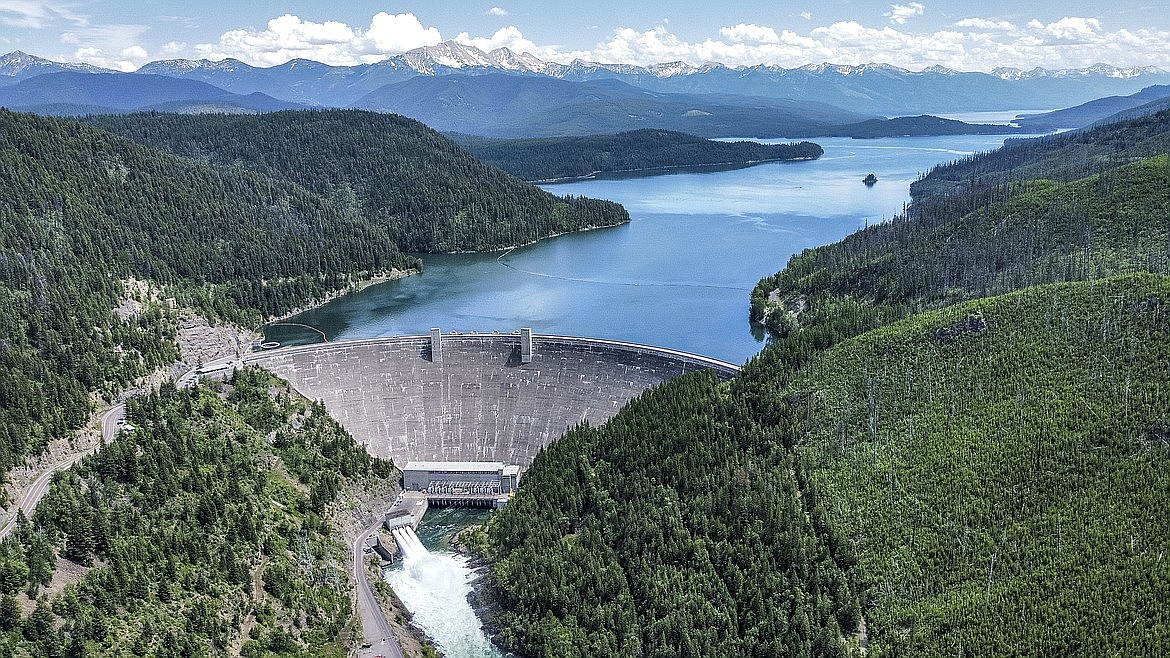
However, just as the need for electricity is exploding, the very system that has underpinned decades of low cost, reliable power is increasingly under attack. The dams of the Federal Columbia River Power System (FCRPS) provide up to 21 gigawatts of electric generation to the Northwest. That is more than ten times the average retail load for the whole state of Montana.
“It’s hard to generate electricity cheaper or more reliably than water running downhill,” said Flathead Electric Cooperative CEO and General Manager Mark Johnson. “Without the continued strength of the federal hydro system, Flathead Valley residents face a future of skyrocketing electric rates and unreliable power.”
In recent years, the FCRPS has drawn the ire of those who seek to restore historic salmon runs in the Columbia River. While the dams have certainly had impacts on fish, opponents of the FCRPS routinely ignore scientific advancements, data, and ratepayer-funded programs that protect fish populations AND allow for the generation of electricity.
According to the latest estimates from the Bonneville Power Administration, FCRPS opponents are tying up the hydro system in costly litigation that could result in a 17% electric rate increase and reduced system reliability.
“Advocates of dam breaching discount the fact that when a co-op member in Western Montana pays their electric bill, about 30% of that bill reflects investments in fish and wildlife restoration on the FCRPS, and that investment is working. Fish return data shows that salmon runs have actually tripled since the first federal dam was built in 1938,” says Johnson. “It’s also important to understand that the best available science increasingly points to deteriorating ocean conditions and other factors having a greater impact on salmon than current river conditions.”
The stakes for Montana and the entire Northwest are high. The Pacific Northwest Utilities Conference Committee estimates that the region will see a 30% increase in regional load by 2035. In Montana, efforts are underway to create solutions and meet this increasing demand while protecting state ratepayers, such as Governor Greg Gianforte’s Unleashing Montana and American Energy Task Force.
However, without the underpinning of the FCRPS, efforts to increase other forms of generation and transmission are much less impactful as are our efforts to reduce carbon
emissions. Affordable rates, clean and reliable power, high-tech manufacturing, and data centers cannot coexist in Montana without the stable baseload power that the dams provide.
Litigation is costly, time-consuming, and will only serve to further erode trust amongst those who rely on the FCRPS. Instead of fighting in court and endangering the entire system, let’s continue to build a stronger FCRPS that uses sound science, real data, and stakeholder input. We can protect fish populations while generating the electricity that powers our lives.
 Northwest River Partners