
Lawsuit puts Montana's homestead tax relief at risk
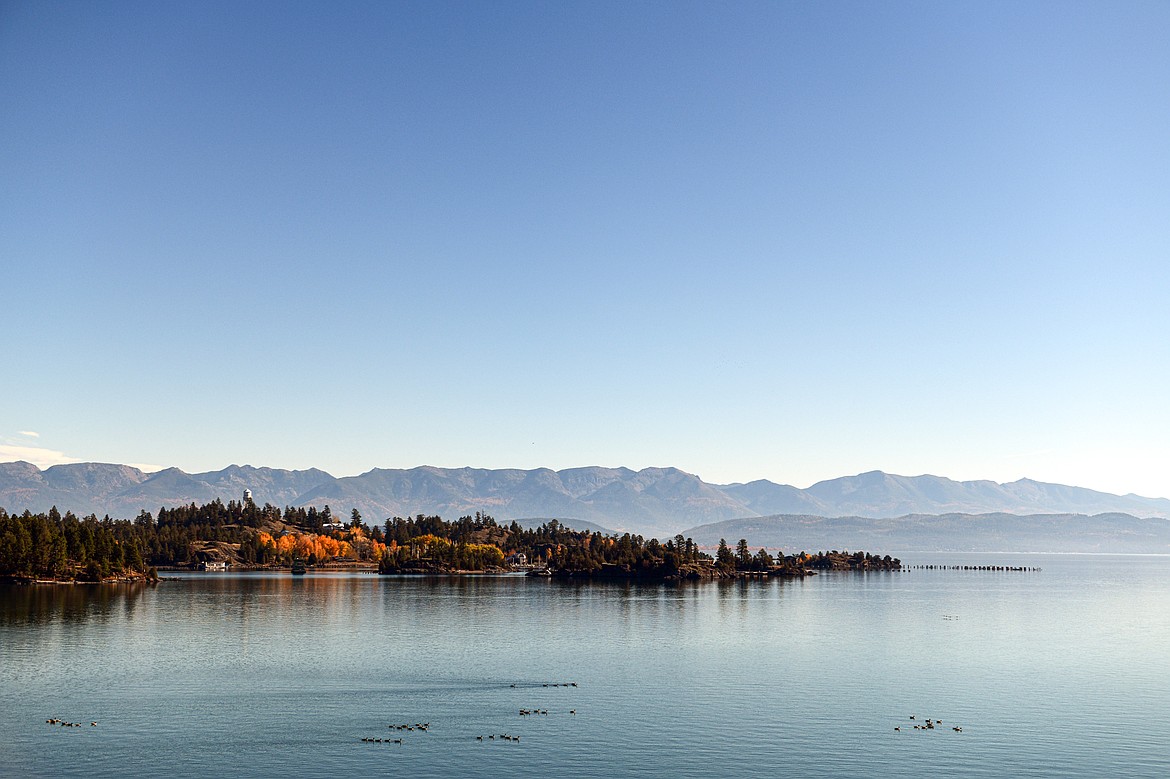
A view of Flathead Lake in Northwest Montana. (Daily Inter Lake FILE)
A faction of Republican lawmakers has put Gov. Greg Gianforte’s bipartisan property tax relief package in the crosshairs of a lawsuit that threatens to undo the popular homestead exemption. The new tax law gives a break to primary residences under $1.5 million, while taxing second homes and short-term rentals at a higher rate.
The suit, filed by Polson Sen. Greg Hertz, Senate Majority Leader Tom McGillvray of Billings and Keith Regier, a former senator from Kalispell, argues the 2025 legislation violated procedural rules when it was amended to include $400 tax rebates that property owners enjoyed last fall. They claim the rebates were added to the Senate bill as a “vote-buying” tactic to push the measure to the governor’s desk.
The plaintiffs hope a favorable ruling will require the state to reset its property tax system to 2024 rules, creating space for the 2027 Legislature to craft a more equitable tax formula.
Procedure aside — and the plaintiffs may have a legitimate argument that the last-minute bill stuffing violated legislative rules — the spirit of the lawsuit appears rooted in how the tax package affected second homeowners, including the plaintiffs themselves.
Hertz points to his own tax bill in the complaint as evidence of how the new graduated system increased the taxes on his $2.9 million, four-bedroom, 3.5-bath home on Flathead Lake from $14,000 to $21,000. Because the property is valued above $1.5 million, it is now taxed at a higher rate.
Regier notes in the lawsuit that the tax rate on his second property, a cabin on Little Bitterroot Lake valued at $1.09 million, will rise from 1.35% to 1.9% this year. McGillvray faces the same increase on his second property.
It is easy to sympathize with longtime Montanans who own fishing or hunting cabins that will be hit with the higher second-home tax rate under the homestead plan. There is also room for empathy for residents such as Hertz, who bought a desirable slice of Montana a decade ago and now sit on a real estate gold mine.
But because Montana’s government funding relies disproportionately on property taxes, any rate structure will produce winners and losers. And after years of middle-class homeowners shouldering the bulk of the burden, Gianforte, guided by his property tax task force, rightly chose a path that delivered the most relief to the most people.
Owner-occupied homes in Flathead County — about one-third of the tax base — are projected to see an average property tax reduction of 17% from 2024 to 2026 under the homestead exemption. Long-term rentals, which make up 16.5% of the county’s tax base, are expected to see a reduction of 27%.
That amounts to significant savings for the majority of homeowners in the county.
For every family cabin, there is an out-of-state owner with a lakeside mansion that sits vacant 50 weeks a year, or a short-term rental that chokes the local housing supply. Gianforte’s message on those properties was clear: They should pay their fair share.
Until Montana diversifies its revenue sources through a statewide sales or tourism tax, or adjusts the income tax structure, the homestead exemption remains a reasonable response to a long-standing problem.