
Financial ripple: Outfitters protect fishing resources to preserve industry with big economic impact
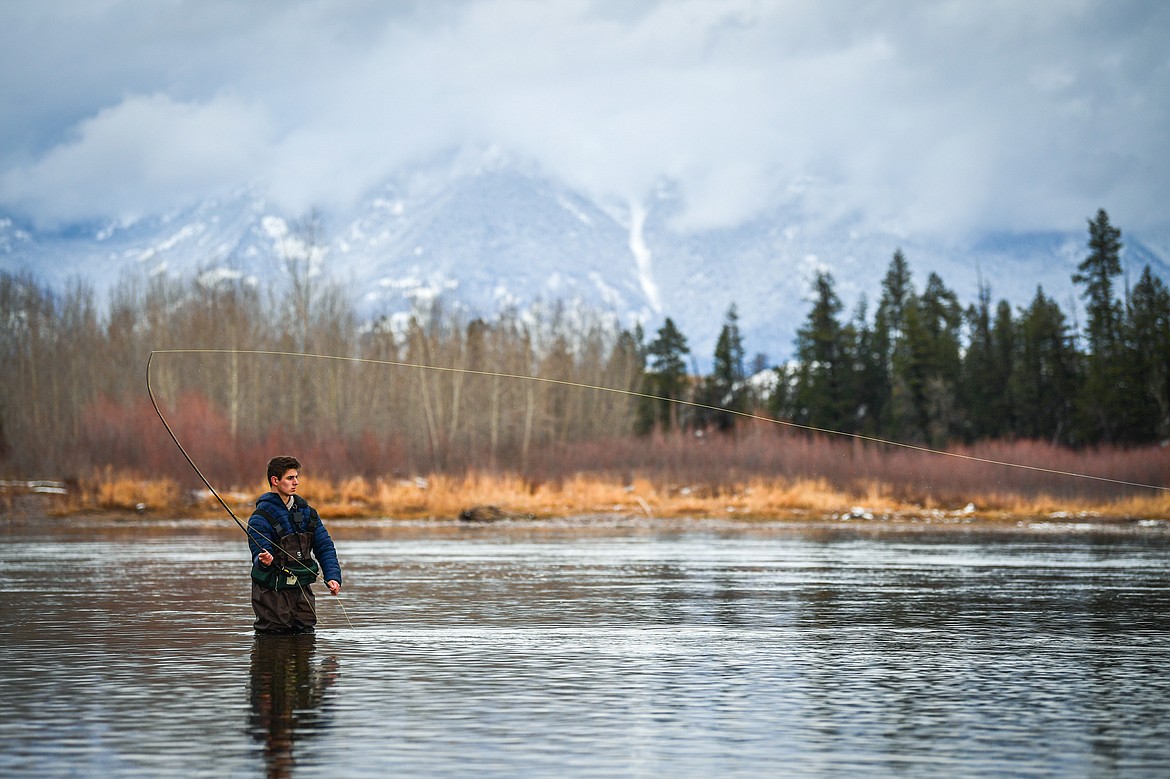
Raef Dugan fly-fishes in the Flathead River on Tuesday, Nov. 26, 2024. (Casey Kreider/Daily Inter Lake)
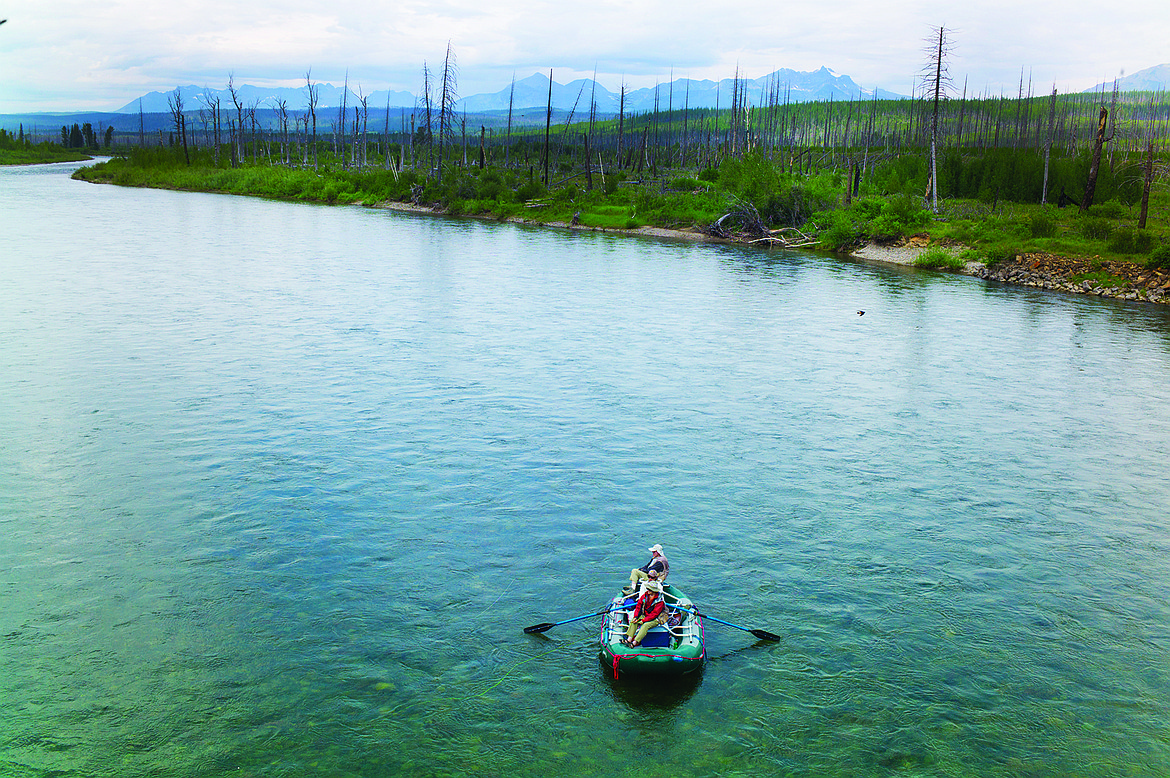
A fishing party floats the North Fork of the Flathead near Glacier National Park in this file photo. (Chris Peterson/Hungry Horse News FILE)
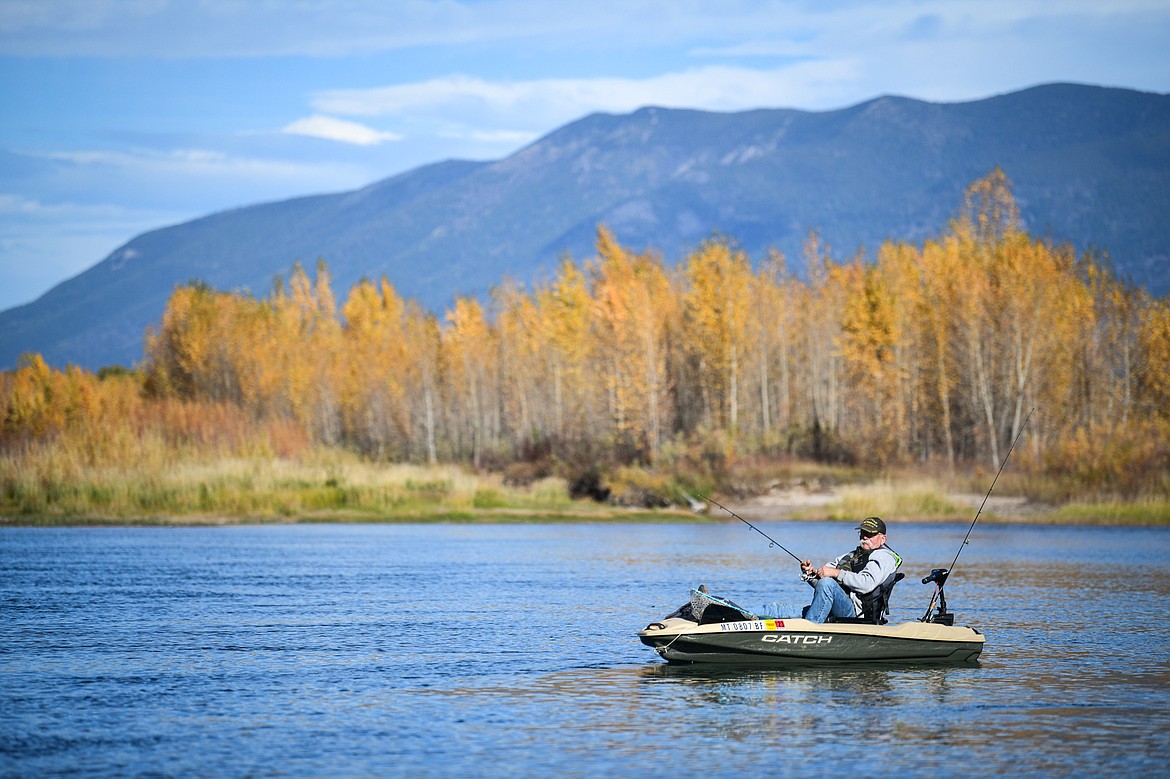
Steve Haag casts a line into the Flathead River from a fishing kayak on Wednesday, Oct. 18. (Casey Kreider/Daily Inter Lake)
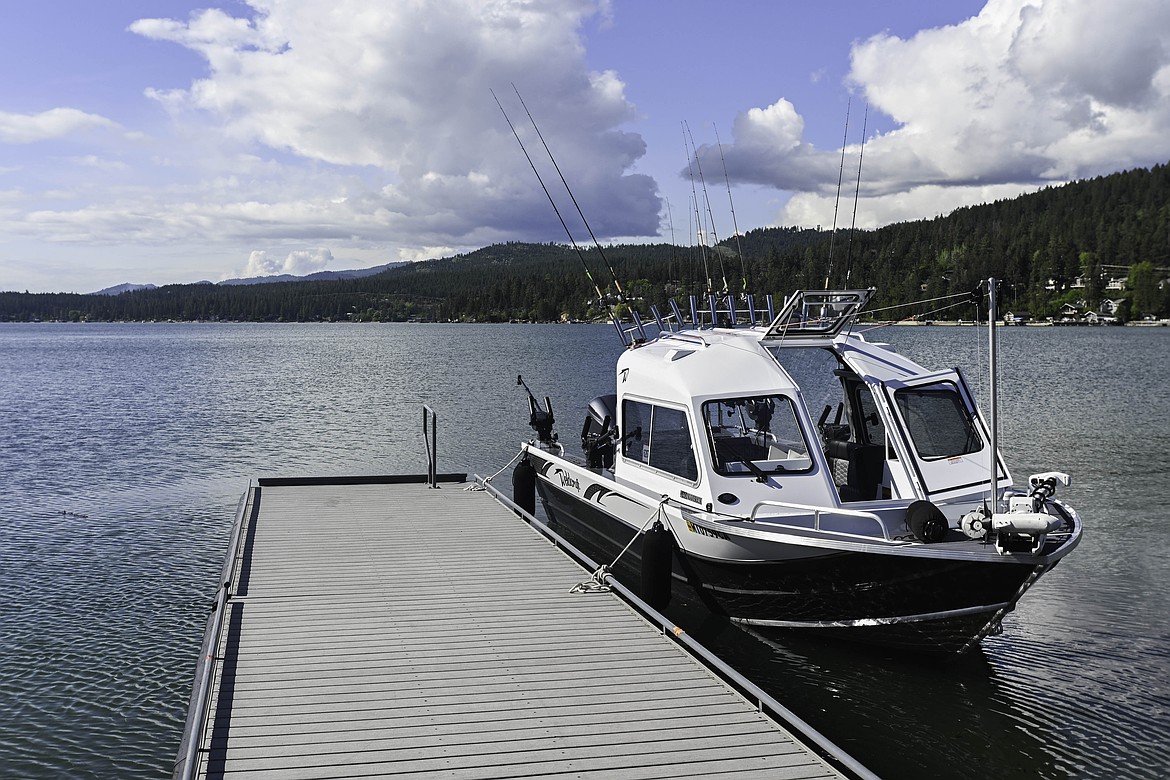
G3 Outfitters on Flathead Lake boasts a new boat for the 2025 fishing season. (Kate Heston/Daily Inter Lake)
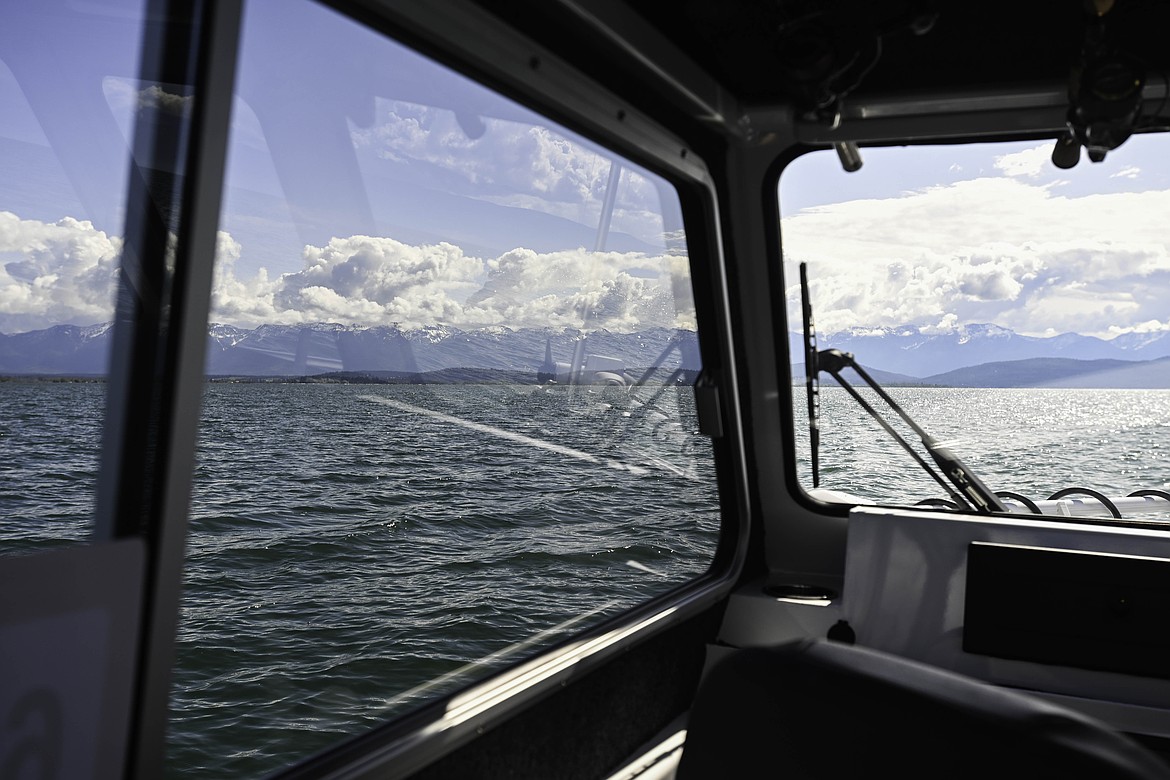
G3 Outfitters on Flathead Lake boasts a new boat for the 2025 fishing season. (Kate Heston/Daily Inter Lake)
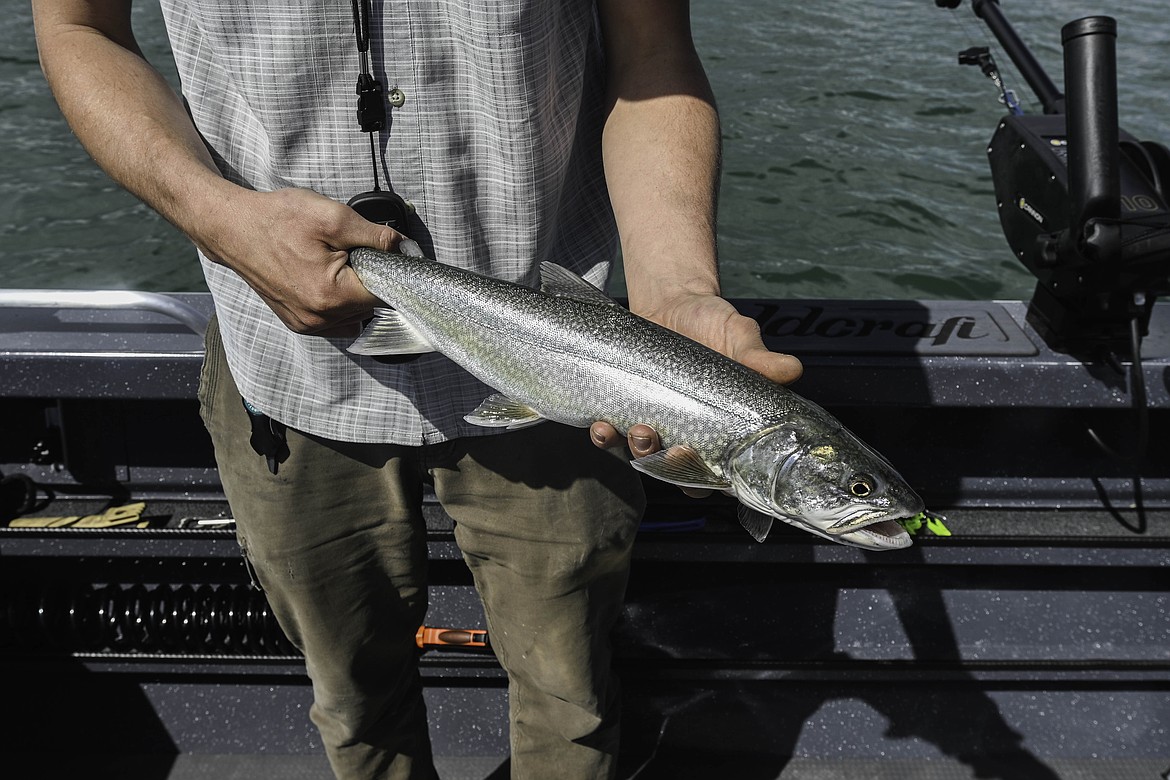
A lake trout caught aboard a fishing charter by G3 Outfitters. (Kate Heston/Daily Inter Lake)
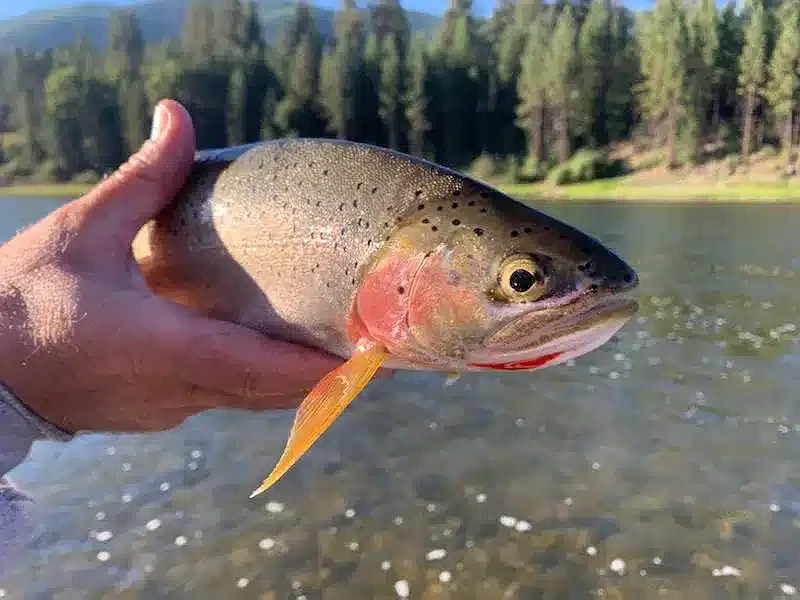
A westslope cutthroat trout can be seen in this photo from a Bent Fly Fishing trip. (photo courtesy of Bent Fly FIshing)
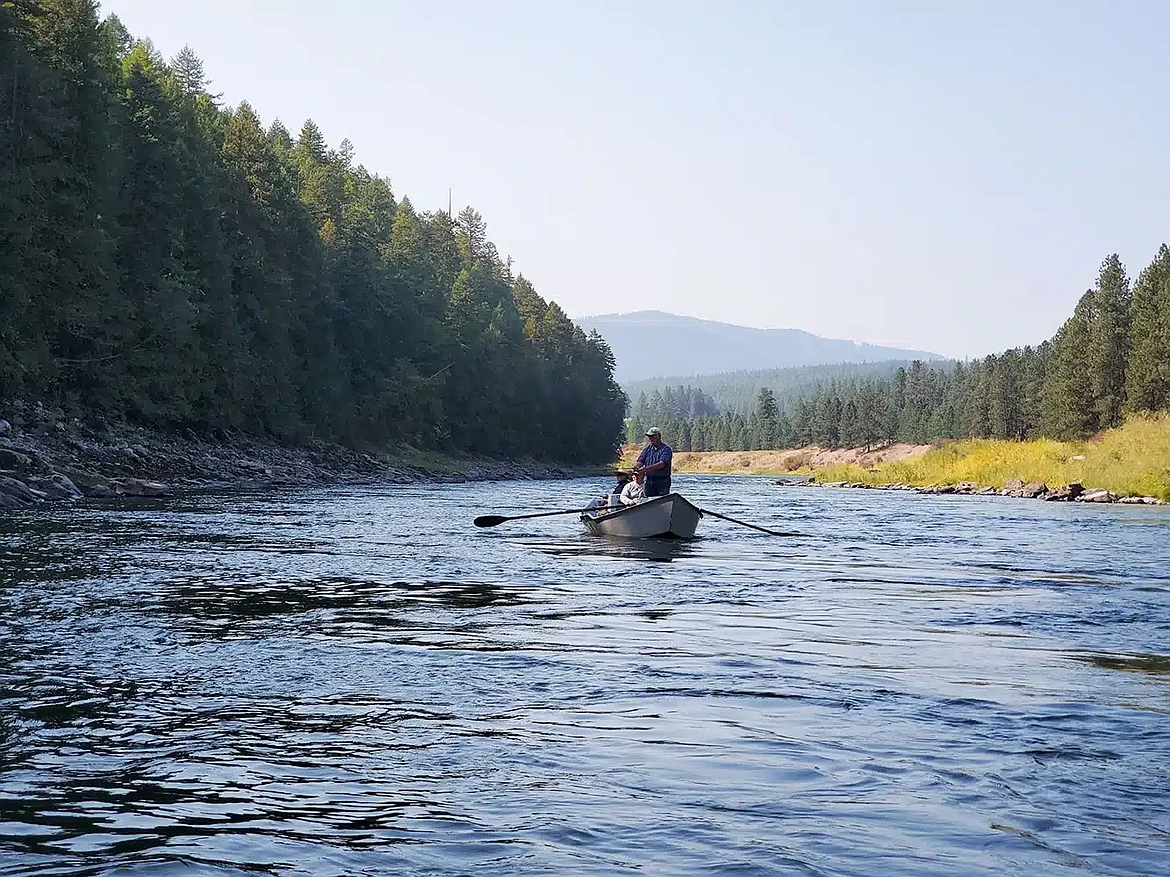
Bent Fly Fishing guides a trip along the Clark Fork River. (photo courtesy of Bent Fly FIshing)
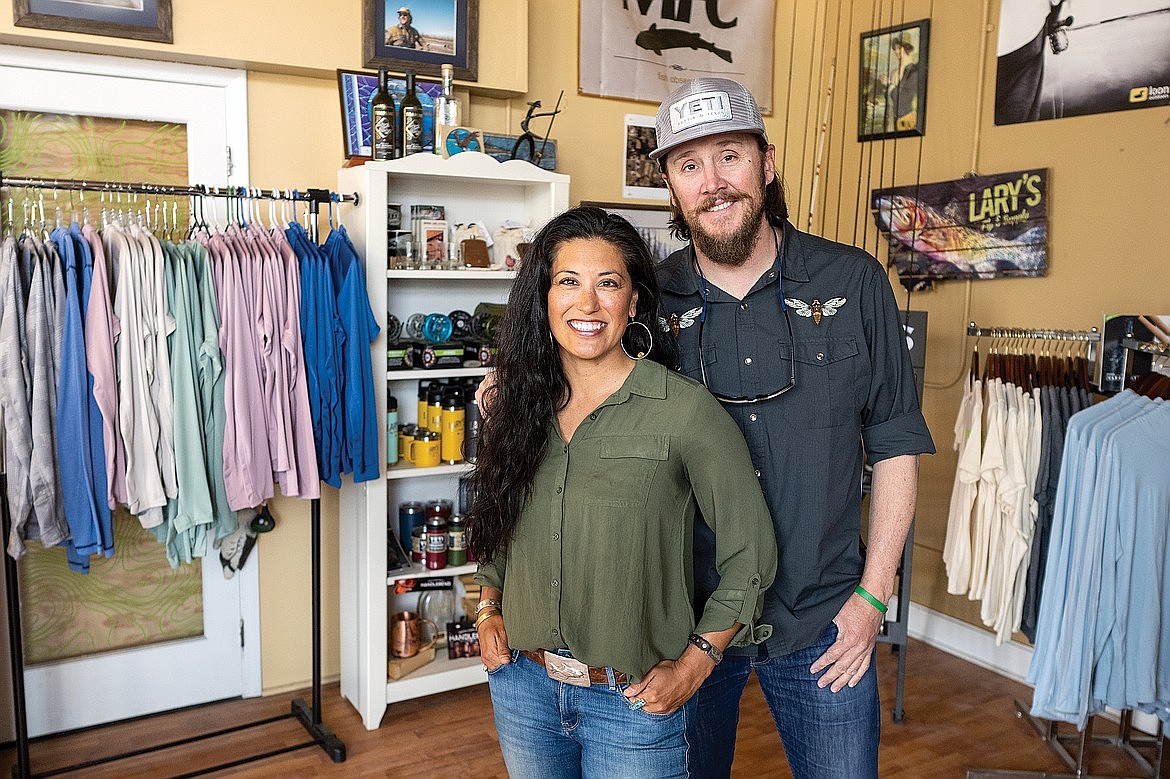
Hilary Hutcheson and Ebon Robinson of Lary’s Fly and Supply in 2023. (Chris Peterson/Hungry Horse News)
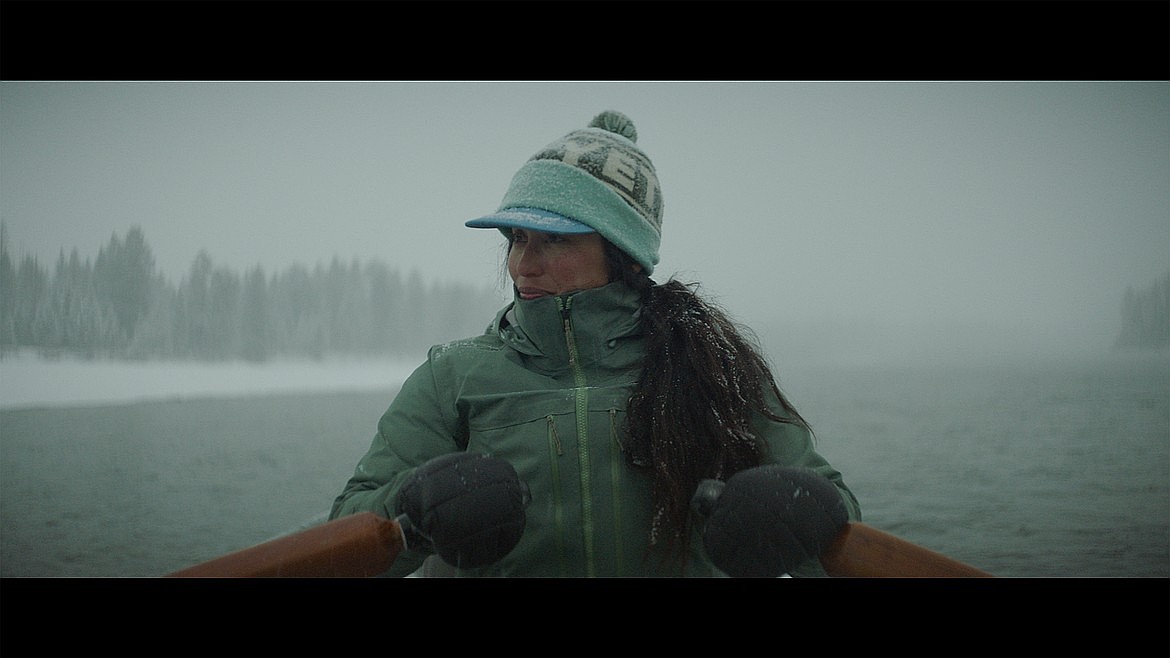
Hilary Hutcheson in a still from the film “The Tengu Club.”
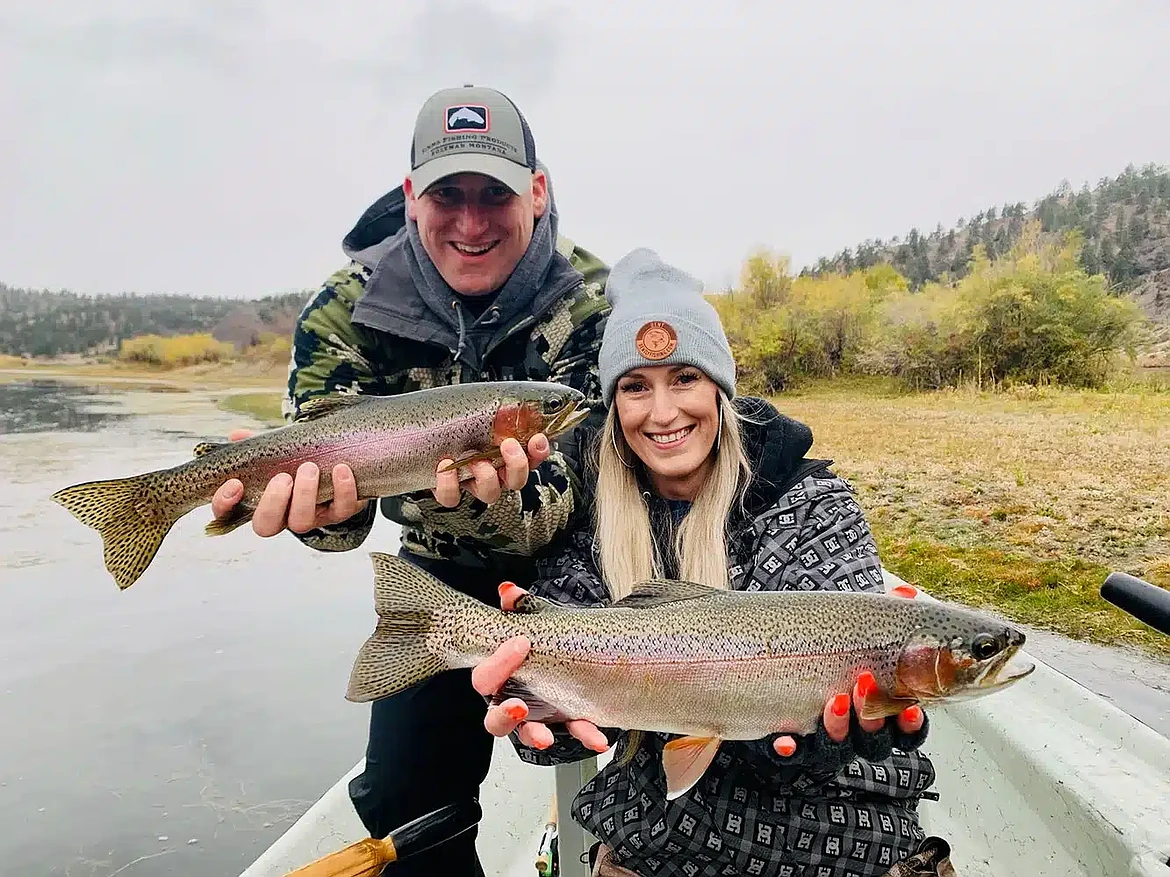
Clients of Bent Fly Fishing hold up two rainbow trout from a guided trip. (photo courtesy of Bent Fly FIshing)
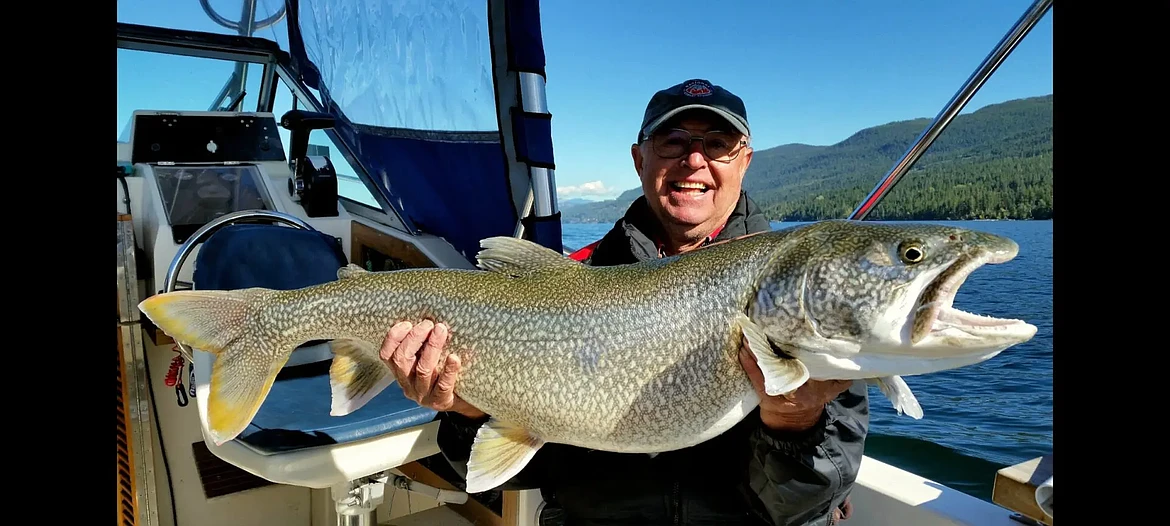
A client of Flathead Lake Charters holds a lake trout. (photo courtesy of Flathead Lake Charters)
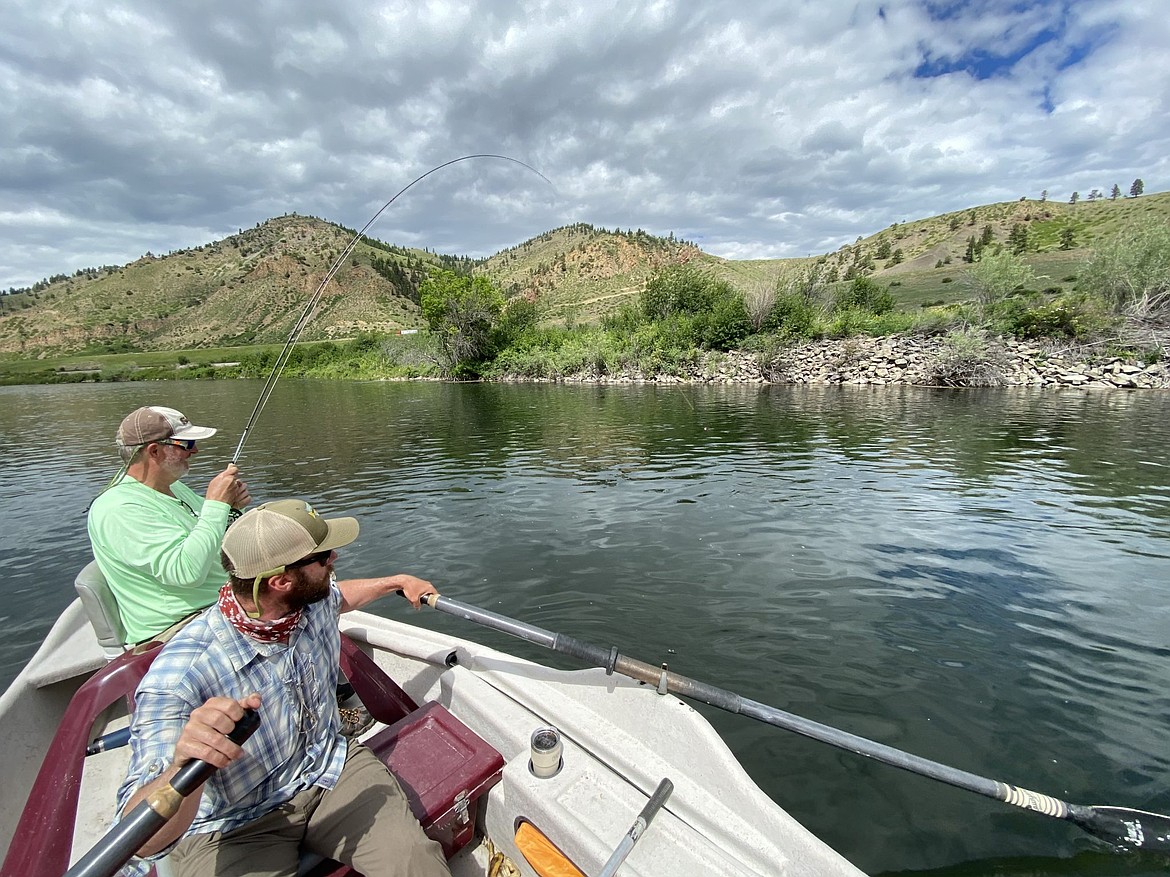
Matt Dipaulo and Mark Fuller on a fishing excursion. (photo courtesy of Wild Montana Anglers)
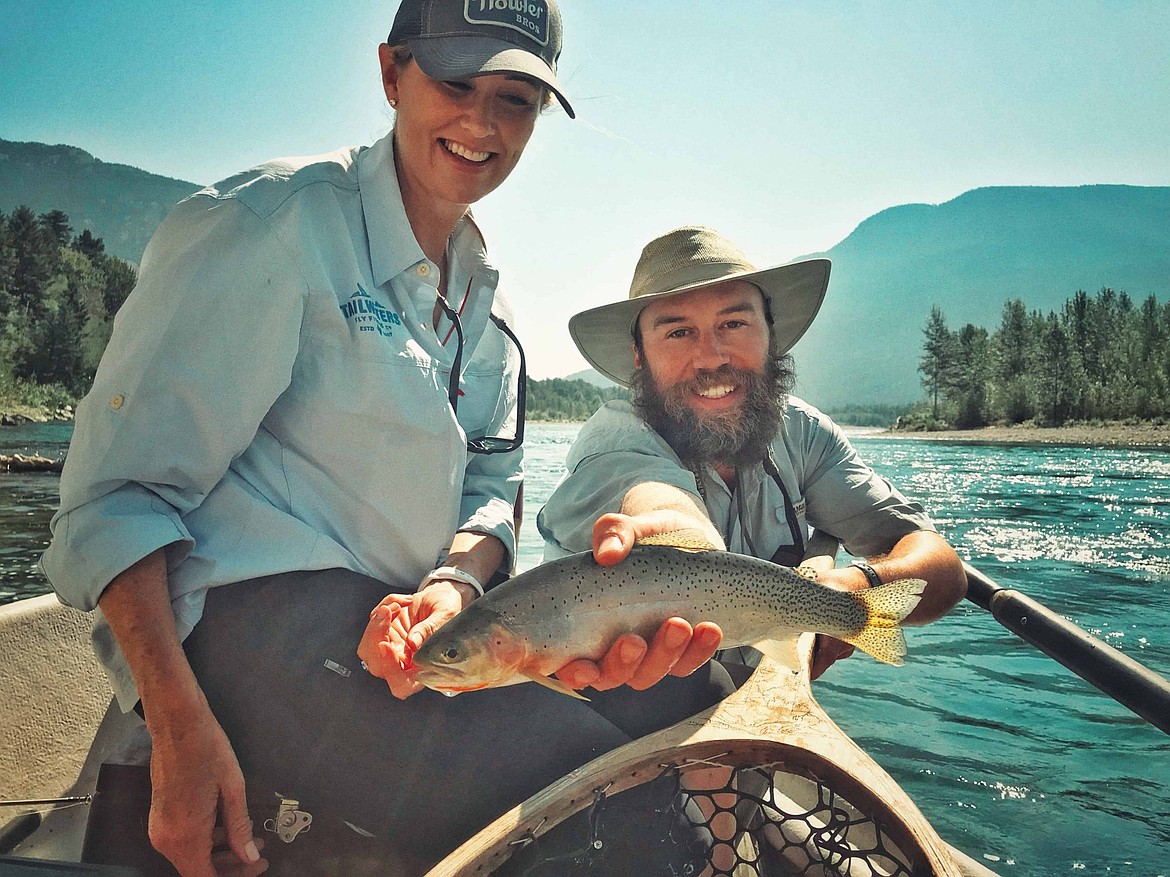
Wild Montana Anglers owner Mark Fuller catches a fish. (photo courtesy of Wild Montana Anglers)
Peering from the side of the raft to look at the cold, clear waters, anglers see beautiful rocks from millions of years scattered along the bottom of the Flathead River, home to some of the most sought-after fish species in the country.
“The fact that we've got all of our flora and fauna since time immemorial,” said Hilary Hutcheson. “That's unique, not only in the state of Montana, but throughout the world.”
A world-renowned fly fisher, journalist, filmmaker, environmental advocate and longtime guide and outfitter for Glacier Anglers and Outfitters, as well as owning Lary’s Fly Shop in Columbia Falls for the last decade, Hutchenson is immersed in fishing.
People travel thousands of miles to fish the region’s pristine rivers, which means the health of local waterways and their fisheries is the most important factor to consider when guiding or outfitting in Montana, according to Hutcheson.
“[Montana] is really a bucket list destination for native and wild trout fly fishing, and people are recognizing that all across the world, fewer and fewer places like that remain,” she said.
As anglers visit the state to enjoy those pristine waters, and Montana residents head out for a day on a nearby lake or river, they’re having a rippling impact on local businesses.
Fishing contributed $1.27 billion to Montana’s economy in 2024, according to a report from the University of Montana’s Bureau of Business and Economic Research for Montana Fish, Wildlife and Parks.
The report, published in August of 2025, breaks down spending between cold-water fishing and warm-water fishing, along with other factors like spending between residents and nonresidents of the state.
Cold-water fishing is what many visitors come here for, targeting species like introduced and native trout, salmon, grayling and whitefish, according to the report. These trips are typically longer, involve more travel and generate higher spending on lodging, guides, and dining.
Warm-water fishing trips are overwhelmingly driven by Montana residents, often taking place close to home and happening more frequently. Spending on these trips is concentrated on fuel, groceries and local retail, according to the report. Warm-water fishing targets species such as burbot, walleye, northern pike, bass, crappie, catfish, paddlefish, sturgeon and yellow perch.
Because of the costs associated with travel, nonresidents spend more on average than people who live and fish in Montana. Nonresident license holders spent $3,923 annually, more than double the $1,897 spent by Montana residents.
On an annual basis, nonresidents spend an average of $1,490 on accommodations, $704 on outfitters and guide fees, $436 on restaurants and bars, and the rest of the total average spending is made up of groceries and retail purchases, auto rentals and fuel, and fees.
Retail is one area where Montana residents spend more than nonresidents, according to University of Montana Bureau of Business Economic Research and Development Director Jeffrey Michael.
“It kind of makes sense, because Montana residents are going to make some of those purchases for supplies and fishing equipment close to home. Fuel expenditures are also a little bit higher because they're driving their own vehicles,” he said.
The cost of flying into Montana wasn’t included in the report, he noted, because those expenditures are not considered “Montana spending.”
Accommodations make up the majority of what nonresidents spend money on during their fishing trips, but it’s not necessarily the most impactful economically, according to Michael.
“Probably the most notable thing for economic impacts is they spend a lot of money on outfitters and guides while they're here, particularly the cold-water fishing. Residents also spend money on outfitters and guides, which has a big economic impact. That's almost all labor and services,” Michael said.
MONTANA, WITH its thousands of miles of fishable streams and lakes draws anglers who put money into the economy. But for them to keep coming to the Treasure State, those waters need to remain fishable, which means keeping the rivers, streams and lakes healthy long into the future.
Data on license sales from Montana Fish, Wildlife and Parks shows an increase in fishing among nonresidents in the state. In 2022, 137,974 people purchased a one-day fishing license, compared to 173,198 nonresidents in 2025, according to the state wildlife management agency.
The picture looks a little different when it comes to licenses for Montana residents. In 2025, 117,620 Montana residents between the ages of 18 and 61 bought fishing licenses for the entire season, according to state data. Though that number is up compared to sales in recent years, it’s still a decline over the course of nearly a decade. In 2016, 131,637 Montana residents of that age group bought fishing licenses for the season.
Most Montana residents are not opting for the two-day license option, unlike nonresidents visiting to dip their toes into the state’s waterways.
One outfitter who has seen an increase in anglers is Ryan Stultz of Bent Fly Fishing. He runs his business alongside his wife, Libby in Bigfork. Since he started guiding in Montana 15 years ago, everything has gotten a lot busier.
Back when he started, guides had to “pay their dues” by guiding for many different outfitters. Now, that’s not always the case.
“A lot of outfitters are busy enough where these guys can work for one person or one company ... There's a lot more trips around than when I first started,” Stultz said.
That increase can be felt by local economies, as cold-water fishing supported 14,355 jobs and generated $385.3 million in personal income in the state, according to the economics report.
But more people can mean more of an impact on the ecosystem of rivers and lakes, according to Mark Fuller, owner of Wild Montana Anglers and the Fishing Outfitters Association of Montana’s director for the Flathead region.
He’s seen more trash being left on the river, more gravel extraction and more development happening along the shores.
User dispersal is a huge concern for him as an outfitter, so he spreads out trips between the entire Flathead River system, the Clark Fork River, Thompson River, Missouri River and several local lakes, as well as rivers in the southwest part of the state like the Yellowstone and Madison River.
The focus is on fishing for species other than trout, which he believes is important for the future of guiding and outfitting in the area.
The pressure to spread out trips infiltrates Fuller’s dreams. In a recurring nightmare, he is guiding along the San Juan River in New Mexico, where he is resigned to fish for the rest of his life. It’s a great place to fish trout, but a sensitive stretch of river. As his anxiety builds, a client’s bobber goes under and he wakes up.
For him, it’s a sign to keep moving around and not concentrate on one area too much.
“As far as the industry goes, I think it's important that we look at how many people we want to put on certain advantages and start thinking about how we can disperse our clientele to other great fisheries around the area to alleviate some of the pressure that we see on specific sections of river,” Fuller said.
The increase in use is putting pressure on fisheries already feeling a squeeze from warming temperatures, which will often prompt Montana Fish, Wildlife and Parks to put “hoot owl” restrictions on waterways. Those restrictions prohibit fishing from 2 p.m. to midnight each day and are designed to protect fish, specifically trout, that become more susceptible to disease and mortality when conditions, such as low flows and high water temperatures, combine with other stressors.
In Northwest Montana, early spring runoff or multiple non-seasonal runoffs can scour bull trout redds (spawning nests) in the fall, cutthroat redds in the spring and can affect fish habitats overall.
Warmer temperatures can increase hybridization of native trout species, due to nonnative species moving into glacial waters that used to be too cold for them to inhabit.
Nutrients like phosphorus and nitrogen can increase as the water gets warmer, and sometimes warmer temperatures lead to an increase in bugs, which Hutcheson describes this as a “short-term benefit to a long term problem,” as climate change also impacts important native bugs like the meltwater stonefly and glacial stonefly.
WATER LEVELS in recent years have been a topic of discussion during the summertime on Flathead Lake, where Todd Noble operates Flathead Lake Charter. He lives near Yellow Bay State Park, but due to construction and low lake levels last summer had to drive to Somers to launch his boats.
Some blame it on drought and others on the management of the Séliš Ksanka Ql̓ispé Dam, which controls the level of Flathead Lake. But the lack of consistency in lake levels makes it difficult to plan the season, he said.
“You could count on when it was going down and when it was going to come back. There are so many variables and so many different entities involved in the water management here that it's hard to make a plan,” he said.
Noble started as a guide with Flathead Lake Charters in 2013 and purchased the business from original owner Jeff Rach in 2021. Rach started the charter in 1979, which claims to be the oldest fishing charter service on Flathead Lake.
Noble loves getting to guide because it means meeting people from around the world and showing them the beauty of the area. There’s still plenty of fish to catch, but changes in the lake’s fishery in recent years have impacted business.
There aren’t as many trophy class lake trout caught on the lake, he said, pointing to efforts from Montana Fish, Wildlife and Parks and the Confederated Salish and Kootenai Tribes to remove non-native trout. Events like Mack Days, sponsored by the Confederated Salish and Kootenai Tribes, are used as a fish conservation tool to curb the amount of lake trout, which were introduced into the lake in 1905.
Other changes around the lake include the reduced availability of slips, which can make getting into the water more difficult. Noble owns all of his own fishing vessels and employs full-time guides for the summer. However, that’s not the typical structure for outfitters.
Most outfitters hire guides as independent contractors. Stultz, who said his Bigfork outfitting service completed 660 trips last year, had 31 people guiding using their own boats.
A licensed fishing guide is required to work under someone with an outfitter’s license, which requires a certain amount of experience working as a guide, according to the Montana Department of Labor and Industry.
Stultz built his clientele through years of working for other outfitters, eventually splitting off to start Bent Fly Fishing.
Speaking from the banks of the Missouri River during a recent fishing trip, Stultz said he feels very lucky to have amazing clientele that grows through word-of-mouth. But these days, the internet also brings in a lot of new clients.
The same is true for Fuller, who said even though he’s sustained a host of great clients over the years, plenty of new people find them through online searches.
“My business is known for being laid back, conservation-minded teachers, and that's what comes out in our reviews that we have from past clients and how we project ourselves out there on the internet. When people are searching for specific stuff like that, that's generally where we shine,” he said.
It’s a misconception that as a guide, he only cares about how many fish are caught on a trip. The best part about being on the river is getting to observe the riparian ecosystem firsthand, Fuller said. That’s why outfitters and guides are proactive in protecting the resource.
Guides and outfitters only represent a small portion of the total users on the Flathead River system.
That’s why education is key, according to Hutcheson, who said the health of local fisheries is the first thing guides think about as they fall asleep and the first thing on their mind when they wake up.
When people come into her Columbia Falls fly shop, Hutcheson said they get the benefit of talking to local experts and learning how to be good stewards of the river.
“We can educate visitors to this area on how to be a good neighbor, how to be a good teammate of the river, how to be family with the water and our wonderful intact ecosystem here — I think it enhances what we're all trying to accomplish,” she said.
There are a million different ways to fish and enjoy the river, so they’re not in the business of gatekeeping, she added, but are mindful of educating others about how to have the least impact on the region’s many waterways.
“We're definitely here to help them learn how to fly fish and enhance their fly fishing skills, but mostly it's helped them become a good steward of this resource. If they can do that, then they'll have a great time,” she said.
Reporter Taylor Inman can be reached at 406-758-4440 or tinman@dailyinterlake.com. If you value local journalism, pledge your support at dailyinterlake.com/support.
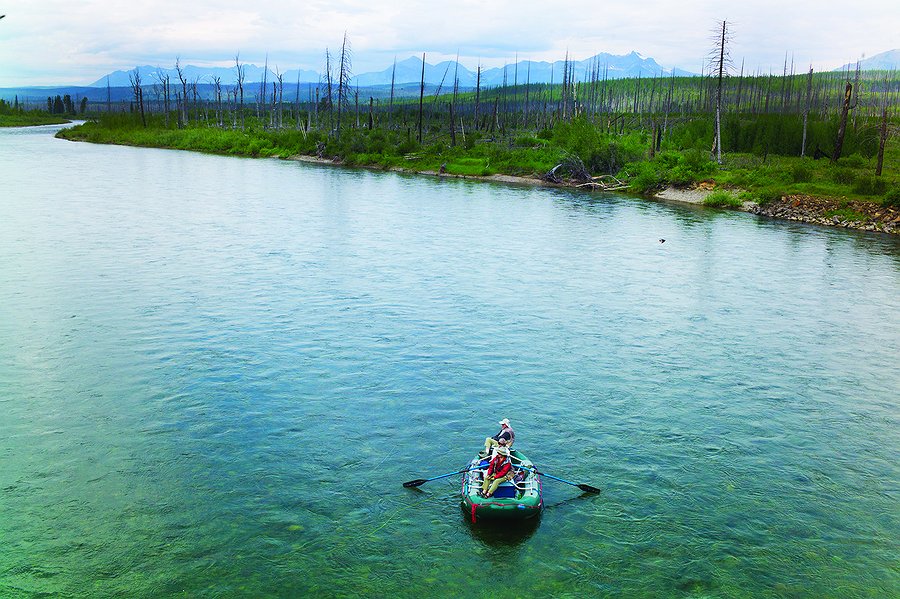 A fishing party floats the North Fork of the Flathead near Glacier National Park in this file photo. (Chris Peterson/Hungry Horse News FILE)
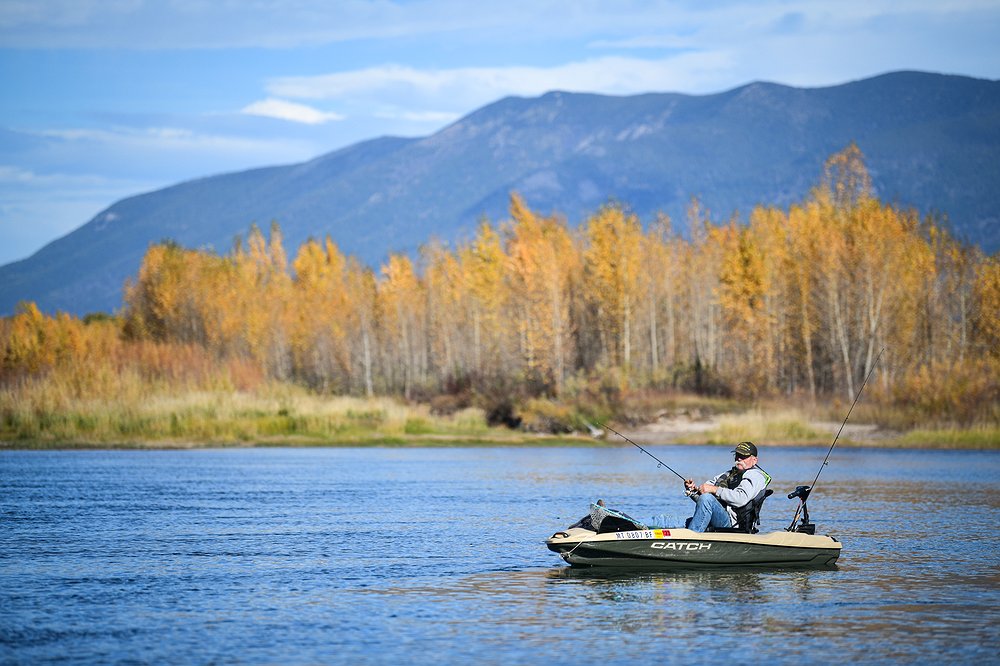 Steve Haag casts a line into the Flathead River from a fishing kayak on Wednesday, Oct. 18. (Casey Kreider/Daily Inter Lake)
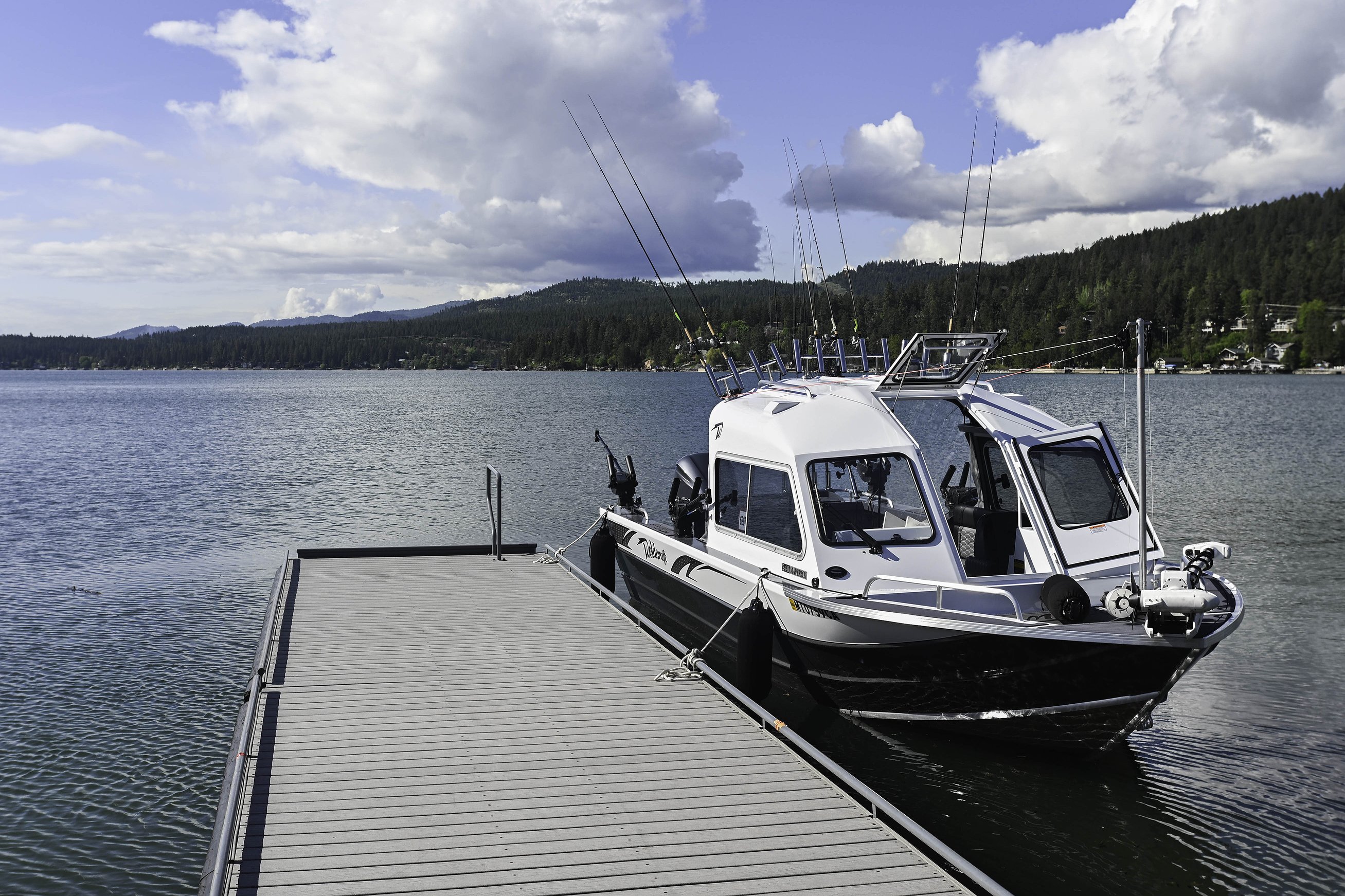 G3 Outfitters on Flathead Lake boasts a new boat for the 2025 fishing season. (Kate Heston/Daily Inter Lake)
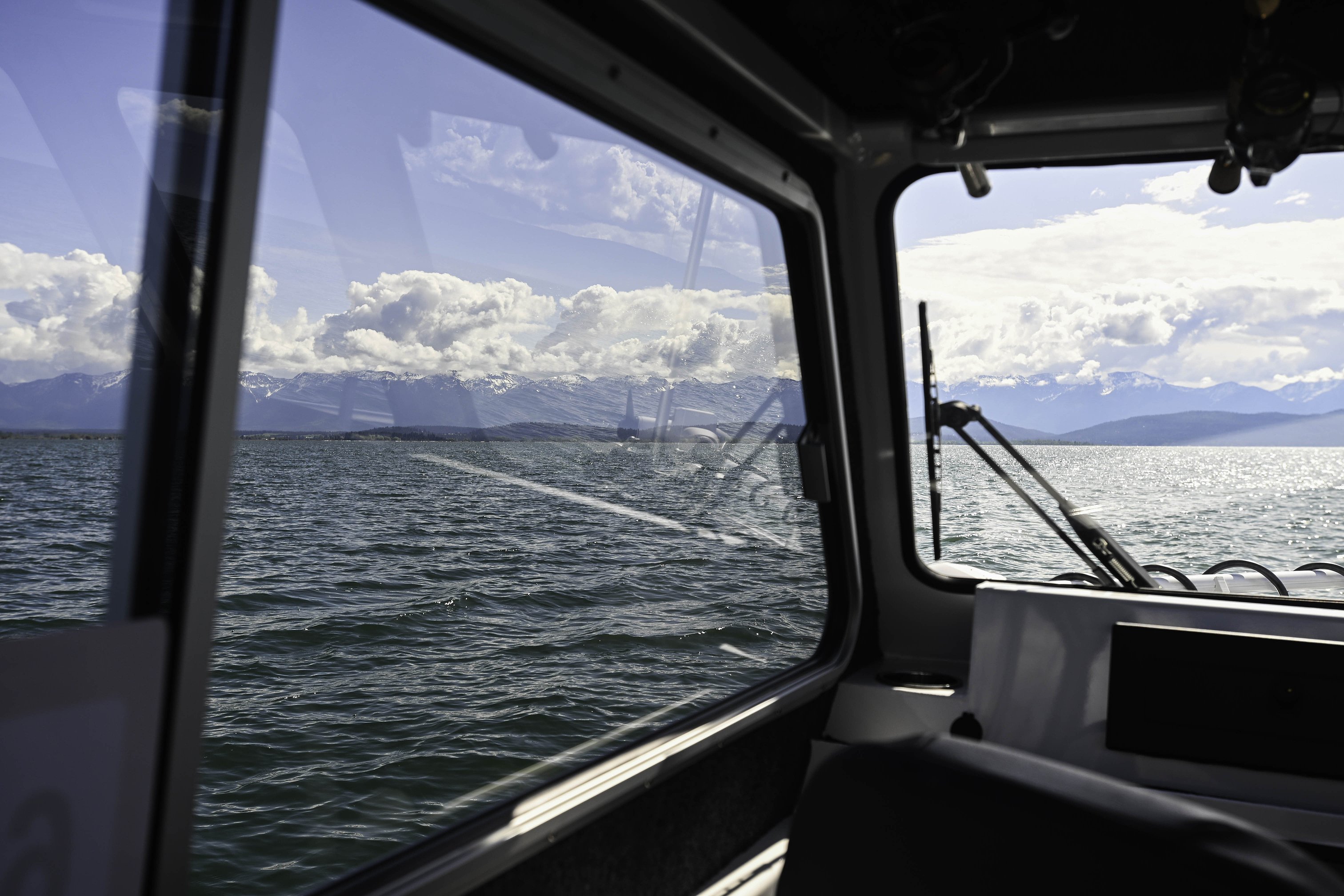 G3 Outfitters on Flathead Lake boasts a new boat for the 2025 fishing season. (Kate Heston/Daily Inter Lake)
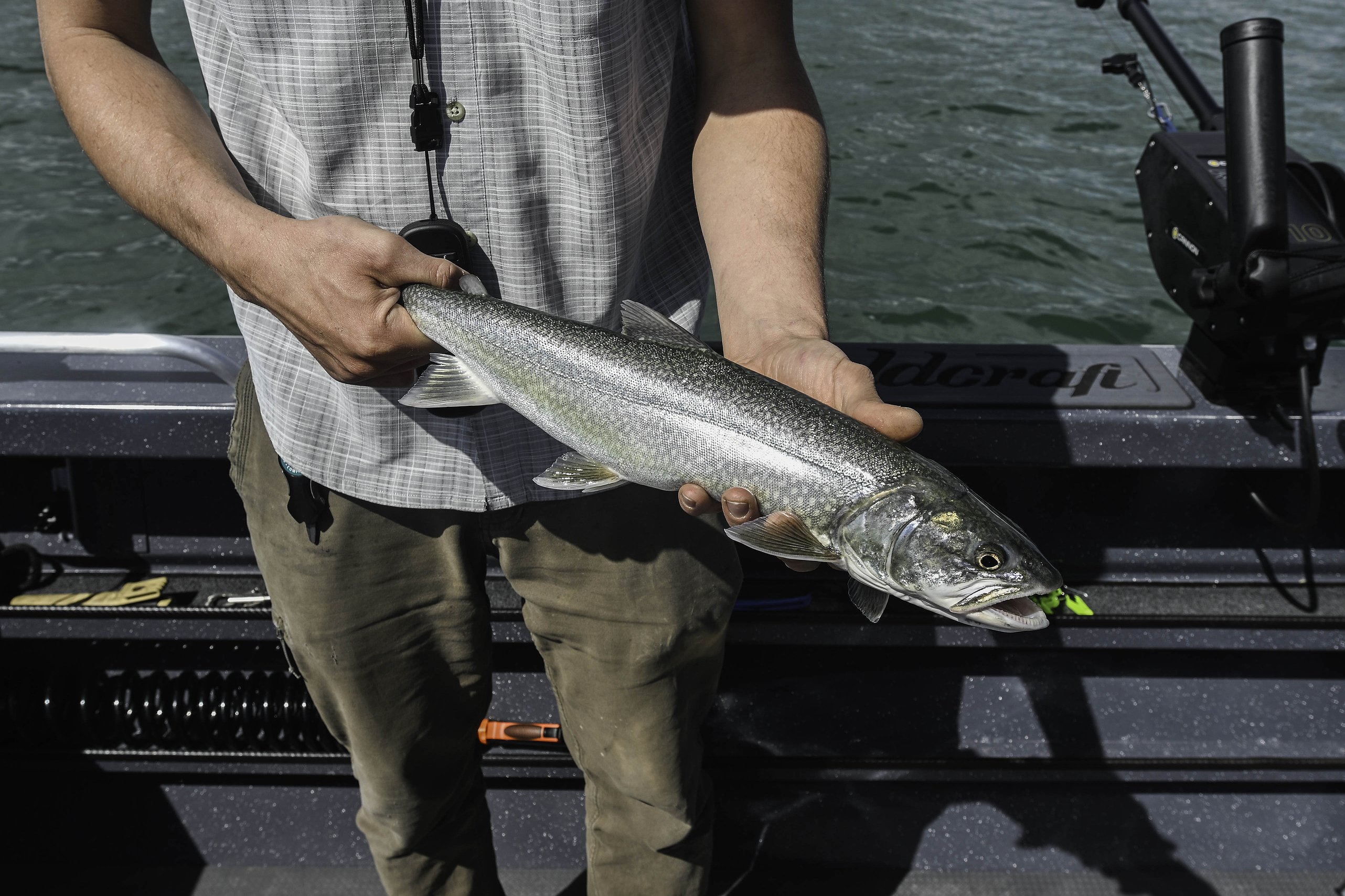 A lake trout caught aboard a fishing charter by G3 Outfitters. (Kate Heston/Daily Inter Lake)
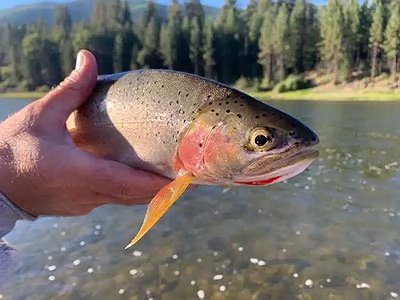 A westslope cutthroat trout can be seen in this photo from a Bent Fly Fishing trip. (photo courtesy of Bent Fly FIshing)
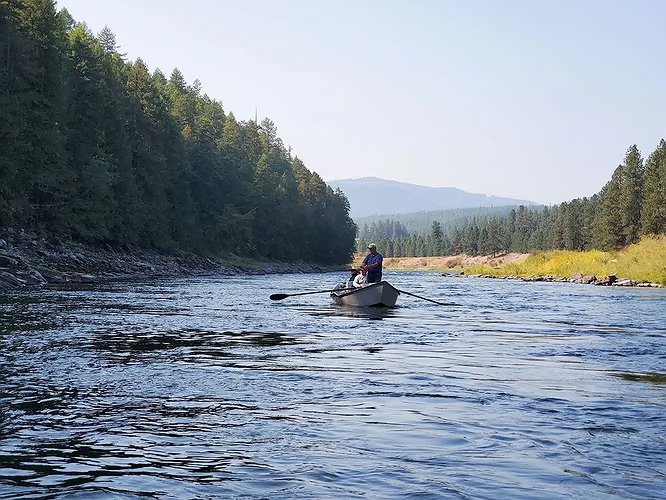 Bent Fly Fishing guides a trip along the Clark Fork River. (photo courtesy of Bent Fly FIshing)
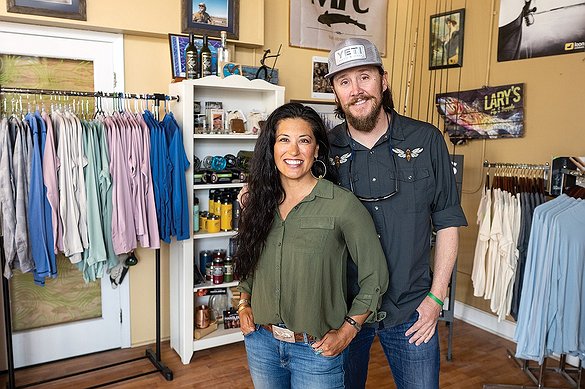 Hilary Hutcheson and Ebon Robinson of Lary’s Fly and Supply in 2023. (Chris Peterson/Hungry Horse News)
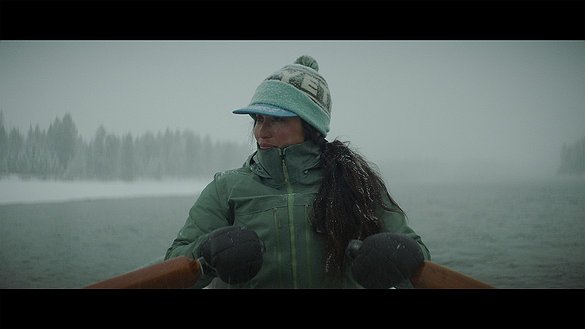 Hilary Hutcheson in a still from the film “The Tengu Club.”
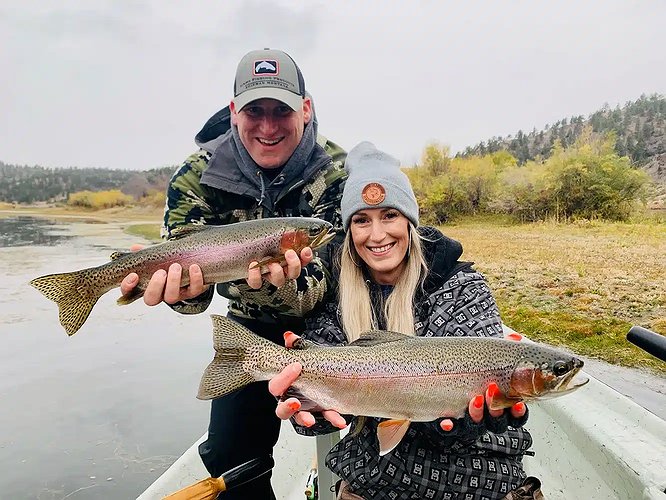 Clients of Bent Fly Fishing hold up two rainbow trout from a guided trip. (photo courtesy of Bent Fly FIshing)
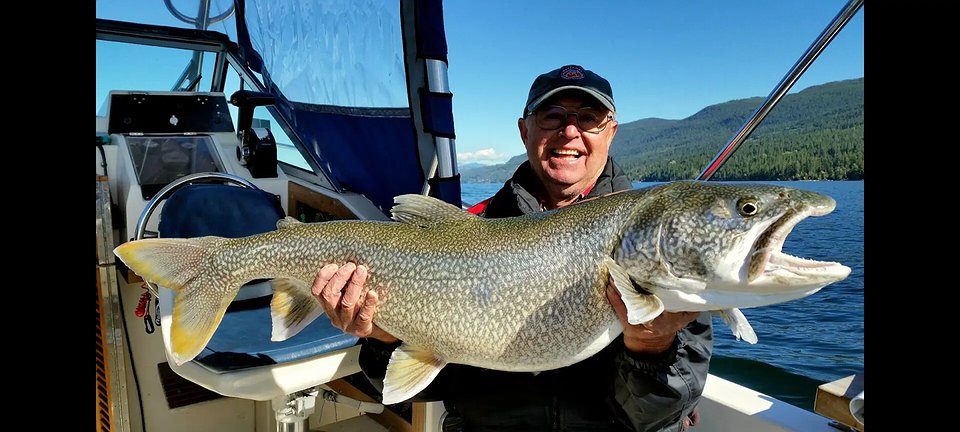 A client of Flathead Lake Charters holds a lake trout. (photo courtesy of Flathead Lake Charters)
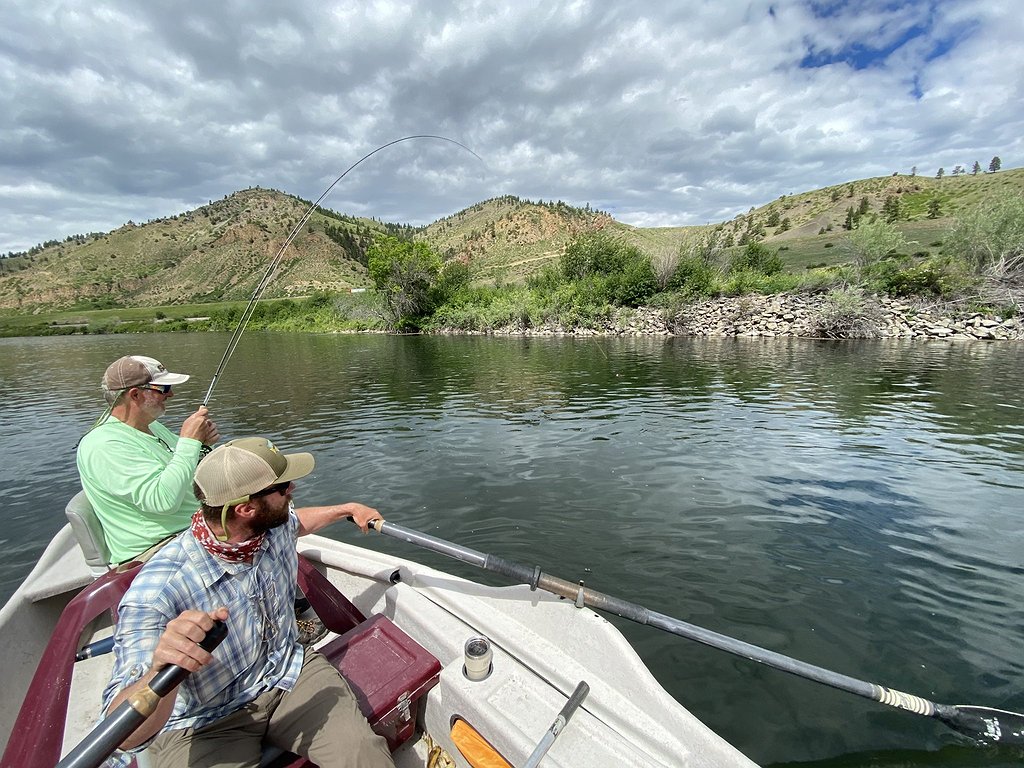 Matt Dipaulo and Mark Fuller on a fishing excursion. (photo courtesy of Wild Montana Anglers)
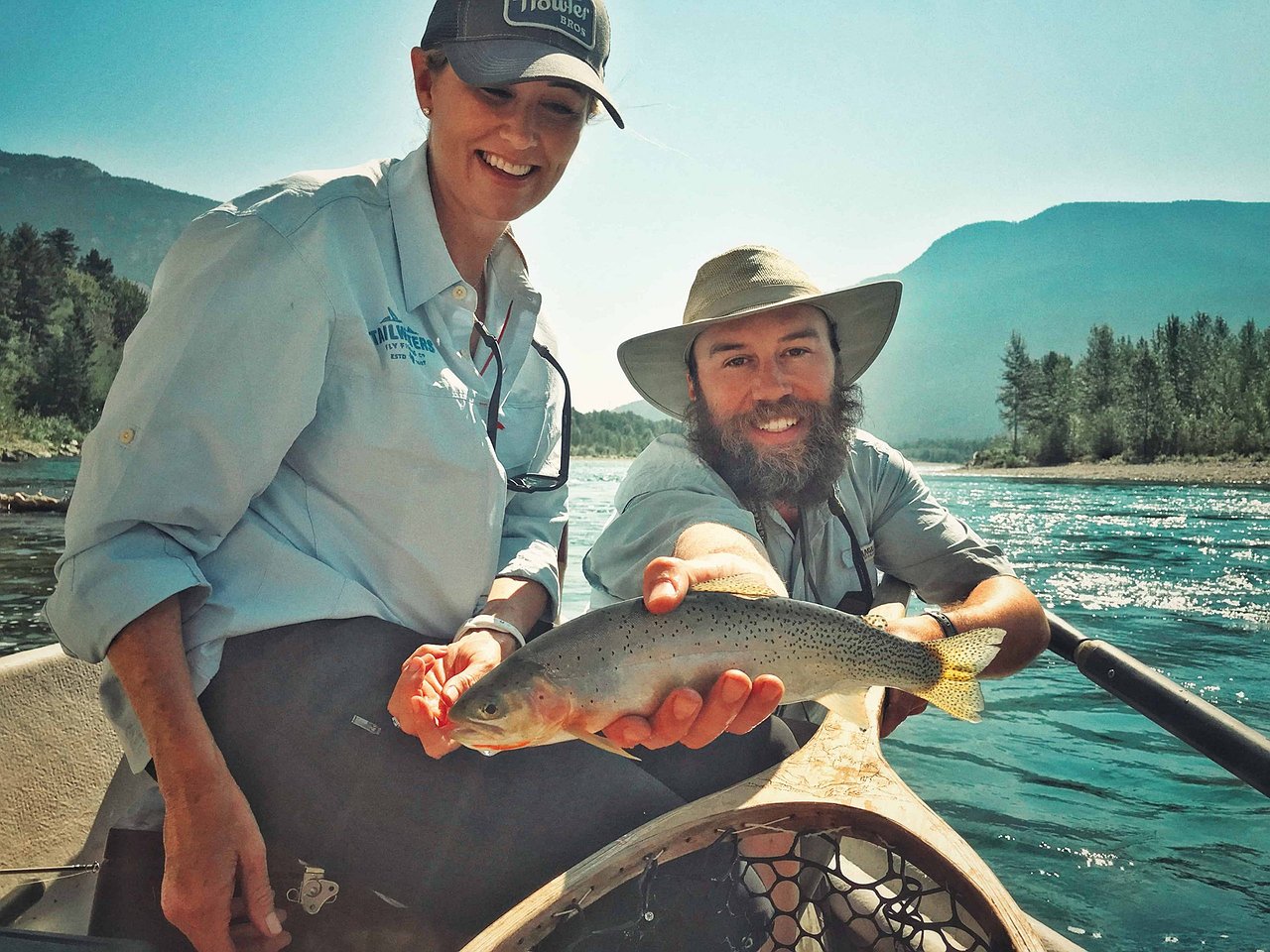 Wild Montana Anglers owner Mark Fuller catches a fish. (photo courtesy of Wild Montana Anglers)