
How climate change is adversely affecting today's roofing systems
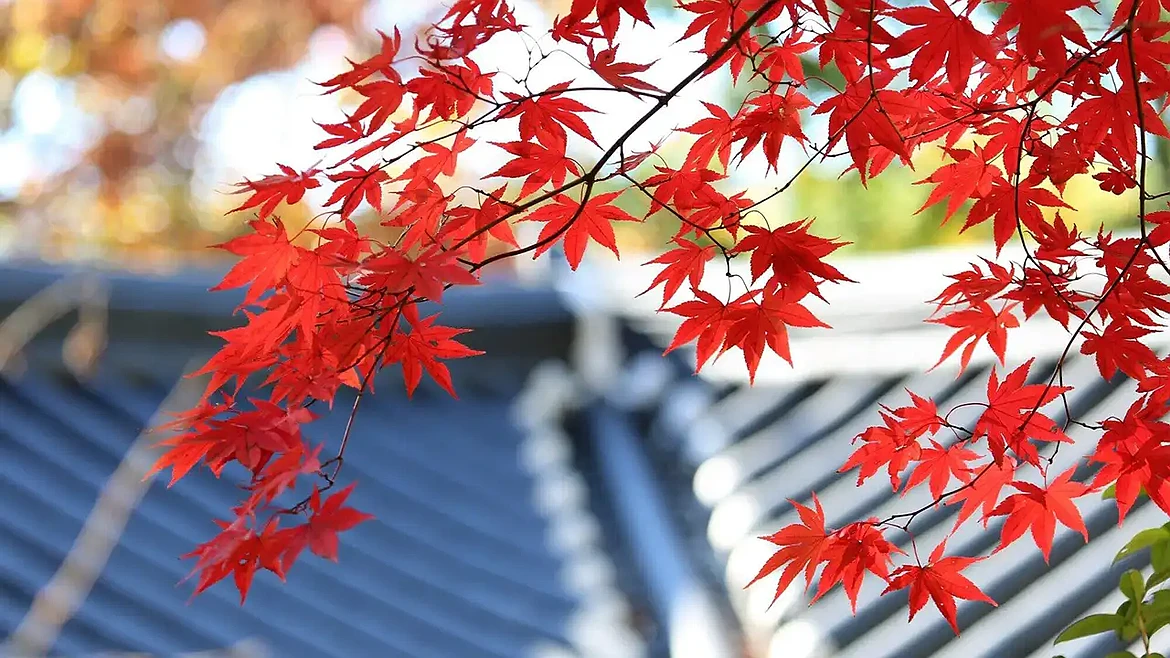
Many roofing systems face a lot of stress when there are storms or when temperatures keep changing. You may see your shingles curling up, and they may even allow water to leak into your home. Climate change causes roofs to wear out faster than usual, so it's important to take good care of them.
According to the Insurance Institute for Business & Home Safety (IBHS), about 70%-90% of all insured residential catastrophic losses come from roof-related damage.
A lot of homeowners worry that their roofs will end up with a lot of damage when there's a storm. The kind of protection you give your home will depend on the materials you use.
What Are the Four Common Roof Types?
If you look at the homes around you or other commercial properties, there's a high chance they have similar roofs. Know how different roofing options respond to climate changes so you can make better decisions.
1. Asphalt Shingle Roofs
It's affordable to install asphalt shingles, and many people love how they look. They are the most common roofs in Kalispell and other parts of the US.
Your shingles may start cracking when it's too hot, and the wind can also tear them off. If you call an expert to check out your roof twice a year, you'll see the signs of damage. Many roof leaks occur because homeowners don't spot issues early enough.
2. Metal Roofs
Rain and snow slide off easily from metal roofs. You can keep water from pooling and causing water damage when you choose a metal roof. It will last several decades if you get roof maintenance from the pros.
3. Tile Roofs
Once you invest in clay or concrete tiles, you won't have to think about spending money on replacements for decades. They resist heat and UV damage better than many materials. It's more costly to install a tile roof than shingles because the tiles are heavy.
If you want to enjoy lifetime roofing, ask experts if getting tile roofs in your area is a good idea. They can give you helpful advice and customize the roof to suit your home.
4. Rubber Flat Roof Systems
Some modern homes have the kind of flat roofs you see on commercial buildings. It's important to have a high-quality waterproof membrane to keep the moisture out.
Poor drainage can cause water to pool and weaken the membrane. You'll be able to avoid costly repairs if you get roofing inspections for your flat roof.
What Type of Roof Is the Strongest?
You need to have a strong roof if you want your home to stay in good condition even as the weather patterns change. Ask experienced roofing contractors in Pittsburgh, Kansas, for advice when feeling unsure. They may suggest:
- Slate
- Clay tiles
- Metal
Strong winds and UV rays won't cause much damage if you choose from the best roofing materials. You should never ignore routine maintenance, even if you invest in the most durable materials.
Climate Change Impacts Today's Roofing Systems
Many older homes were designed based on the kind of climate we had then. You'll be able to protect your property once you learn how different conditions affect your roof.
Rising Temperatures
Global warming causes days to be much warmer. You might have noticed that summers now feel warmer than they did a while back. Your roofing materials will expand much more as the temperatures rise.
Contracting when it's cooler can weaken the materials if they don't have proper ventilation. Your attic may be trapping more heat in your roofing system. Experts advise homeowners to get cool roofing materials. They reflect sunlight and help you keep your home cooler when it's hot outside.
Increased Storm Intensity
Heavy rains and storms are sometimes due to climate change. You might lose shingles or metal panels from your roof if they aren't secure. It's good to hire an expert before storms so you can prevent leaks later.
Inspecting for damage afterward will be a good idea if you haven't repaired your roof in a while.
Hail and Debris Damage
If ice hits your shingles hard, they can crack or even break. Metal roofing sometimes develops dents that then pool water.
Climate change makes your home more prone to debris damage if there's a storm or strong wind. You can get impact-resistant materials if you're worried about hail damage.
Freeze-Thaw Cycles
Ice pooled on your roof might penetrate to the other layers once it starts melting. It will then expand when it becomes colder again, and it can cause cracks.
Damage spreads faster on many roofs due to the freeze-thaw cycles. A waterproof roof membrane is what you need to give your home better protection.
Frequently Asked Questions
How Does Climate Change Affect Roof Lifespan?
It reduces it. Roofs become less durable when they face extreme conditions more than usual. If you focus on maintaining your roof, you can extend its life. You don't always have to replace it before it reaches its lifespan.
Is Lifetime Roofing Worth the Investment?
Absolutely. You'll spend more money on a lifetime roofing system. It's better to install a metal or tile roof and have peace of mind for the next 50-70 years.
The amount of money you save in the long run will be worth what you spent on installing the roof in the first place.
How Do I Know If My Roof Has Hidden Damage After a Storm?
Watch out for warning signs. You might not see missing shingles or obvious leaks after a storm. Signs of damage include:
- Water stains on your ceiling
- Energy bills rising
- Debris that looks like granules in the gutters
A professional can spot such signs of damage and recommend what to do before the issue worsens.
Adapt to a Changing Climate
As we find ways to deal with climate change, you should protect your roofing systems. Water damage can occur due to strong winds and storms.
Choosing a lifetime roofing system is a good idea when building a new home or replacing your roof. You should work with experts to maintain your roof and watch out for signs of damage after a bad storm. Get more home care tips on our news page.
This article was prepared by an independent contributor which helps us continue delivering quality content to our audiences.