
Low back pain is now the leading cause of disability worldwide, here is why that matters
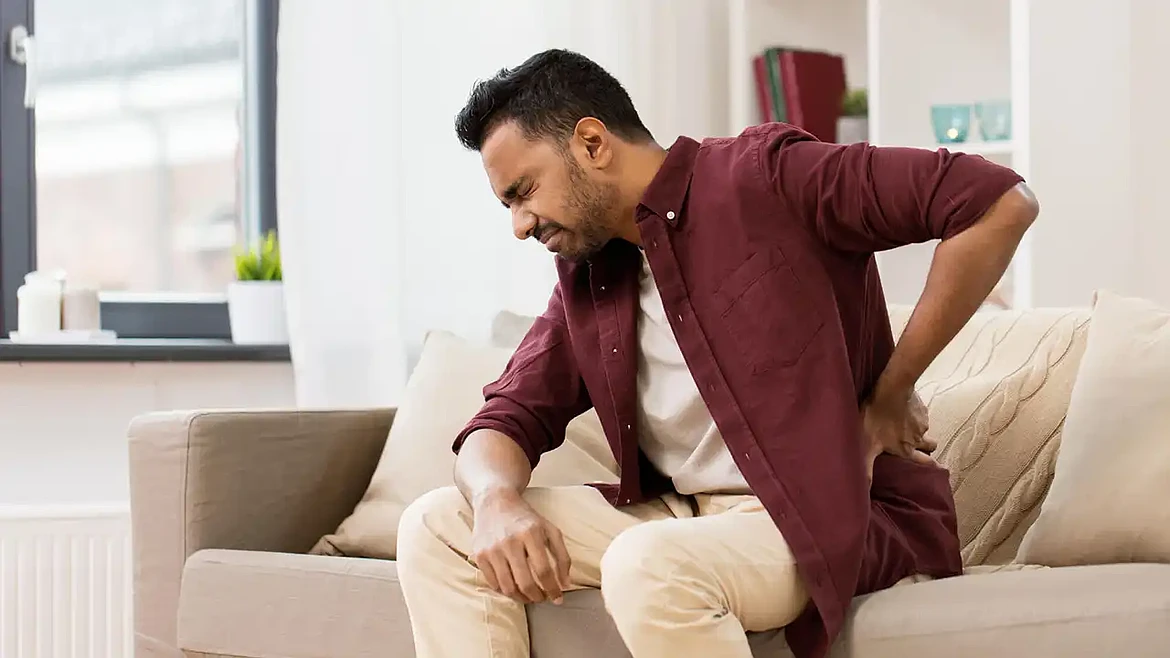
Low back pain can impact your quality of life in many ways. It can affect movement, sleep patterns, mood, work, and daily activities. Common risk factors include aging, obesity, physical strain, and lack of exercise. Backache treatment often requires combining different interventions, such as regular movement, physical therapy, lifestyle changes, and pain management support.
The WHO says that approximately 619 million people worldwide were affected by low back pain in 2020, and these numbers are projected to reach 843 million by 2050. Low back pain can profoundly affect both physical health and mental well-being. It may restrict connections with friends and family and diminish work productivity.
This blog explains what is driving the surge, who faces the highest risks, and the backache treatment options available for you.
Why Is Low Back Pain So Common?
Low back pain is the world's leading cause of disability, making it a major public concern. Rehabilitation is essential for all types and stages of back pain, as it helps you understand your pain and offers reassurance.
The condition can affect people of any age bracket, including children and adolescents. Most individuals go through back pain at some point in life. Women experience sore lower back issues more often than men, with individuals aged 50-55 years being the most affected.
Older people aged 80-85 years have the highest disability impact and prevalence of low back pain. As you age, the chances of having recurring back pain also increase.
Specific low back pain is caused by structural spine problems or when pain radiates from other body parts or certain diseases. Non-specific back pain, on the other hand, is when the source of the pain can not be identified.
Some risk factors for low back pain include:
- Aging
- Obesity (being overweight)
- Physical Strain
- A lack of physical activity
- Smoking habits
Chronic low back pain restricts participation in work and the community and reduces your quality of life. Due to its high occurrence, back pain adds to the huge economic burden on society. For specific low back pain, you may need expert care pathways.
What Are the Symptoms of Low Back Pain?
Low back pain can manifest as a sharp, persistent pain or a dull ache. The pain can go all the way to your legs. This can hinder your movement, which ultimately affects your community participation, work, and school.
Additionally, it can also affect your mood, sleep, and stress levels. Chronic back pain can persist for more than 12 weeks. On the other hand, acute back pain typically lasts less than 6 weeks.
For most acute cases, symptoms go away on their own, and your recovery is easy. In chronic cases, however, the pain is persistent.
Some individuals also experience radicular pain or sciatica. In most cases, you may experience numbness, a sharp electric shock, or a tingling sensation in your leg.
Treatment and Management of Back Pain
Backache treatment relies on the type of pain and whether it's specific or non-specific. If your pain is specific, your treatment will focus on treating the condition causing the pain.
If you're experiencing non-specific back pain, here are some treatment options:
- Social and psychological support for pain management
- Reduce strain during physical work.
- Lifestyle changes such as a healthy diet, physical activity, and good sleeping habits
- Physical therapy for muscle strength
- Use of medication and other treatments
When you experience lingering back pain, understanding the difference between a bulging disc vs herniated disc becomes important in choosing the right treatment. A detailed medical assessment covering both your physical checkup and a psychosocial evaluation is necessary to modify your backache treatment. This helps put into consideration your preferences, personal values, and care priorities.
If you experience back pain frequently, chances are your physical functioning will be limited for longer periods, too. Follow through with your care plan and assessment by adopting a biopsychosocial approach. Your rehabilitation program aims to attain and uphold your independence in everyday life
If you wish to manage your lower and upper back ache and restore your quality of life, self-care is ideal. Here are some ways you can alleviate your symptoms and prevent occurrences of non-specific back pain:
- Maintain a healthy body weight
- Be physically active
- Avoid smoking tobacco
- Take care of your mental health
- Make ergonomic changes at work
- Engage in community activities
- Sleep well
Proper information on back pain and support can help you self-manage and cope with symptoms. This can help lessen the impact of the disease on your life and improve your well-being.
Frequently Asked Questions
How Long Does Low Back Pain Last?
Most acute episodes go for four to six weeks with proper care. For those experiencing chronic back pain, the pain can linger for more than three months, which requires more personalized treatment plans.
Is It Better to Lie Down or Sit Up With Low Back Pain?
Neither of these options works for long. Short periods of rest, 20 to 30 minutes, can ease acute pain.
However, constant bed rest weakens your muscles and slows recovery. Gentle movement, stretches, and changing positions produce better results than remaining still
Can the Weather Make Back Pain Worse?
Yes. Cold weather makes your back stiffen easily, your muscles contract, and reduces blood flow to the spine, which increases your pain intensity. You can wear layered attire, do warm-up stretches before stepping out, and use heating pads to help offset these seasonal effects.
Are There Foods That Can Help Reduce Your Low Back Pain?
Diet heavily impacts your pain levels, yet most people ignore this. Adopt eating anti-inflammatory foods like leafy greens, fatty fish, berries, and nuts, as they can help reduce chronic inflammation. Avoid excess sugar, processed foods, and alcohol because they increase inflammation in the body.
Start Alleviating Your Low Back Pain Today
The global rise in back pain can no longer be ignored. Small daily choices, such as proper lifting, regular movement, and building stronger core muscles, can make a big change. Acting early is the most effective way for you to stay active and pain-free for years to come.
Sign up for our newsletter today to discover more tips for managing backache and enjoying an active lifestyle.
This article was prepared by an independent contributor which helps us continue delivering quality content to our audiences.