
How plea bargains shape DUI case outcomes in California
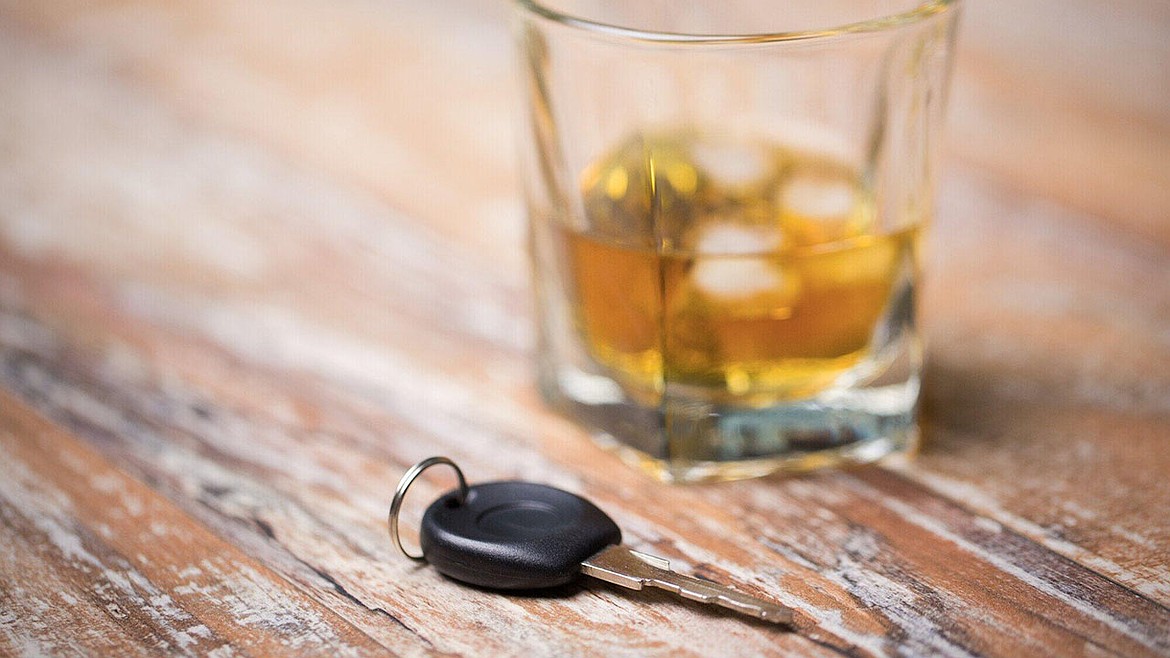
If you're facing a charge for driving under the influence in California, you need to know about plea bargains (e.g., wet or dry reckless pleas), as these agreements can shape the outcome of a DUI case by letting defendants negotiate reduced charges or lesser penalties.
If successful, plea bargains in DUI cases can result in shorter license suspensions. You may also face fewer fines or even reduced jail time.
Reducing the severity of California DUI outcomes is particularly vital, given the state's high number of DUI charges and convictions. The most recent data available from the state's Department of Motor Vehicles (DMV) shows that in 2021 alone, there were 110,017 arrests and 81,248 convictions for DUI.
Understanding the impact of plea deals and how they can shape your case (and future) can help you make more informed choices on whether and when to consider them.
What Is a DUI Case?
A DUI case is a legal proceeding involving the arrest of a driver who is either suspected of or charged with operating a motor vehicle while impaired by or under the influence of any substance that impedes driving ability. A person can face a DUI arrest or charge due to:
- Alcohol
- Prescription medications
- Illegal drugs
As published on the California Legislative Information website, California Vehicle Code section 23152 makes it illegal or unlawful for a person to drive a vehicle if they:
- Are under the influence of any alcoholic beverage, section 23152 (a)
- Have at least 0.08% alcohol by weight in their blood, section 23152 (b)
- Have an addiction to any drug, section 23152 (c)
- Under the influence of any drug, section 23152 (f)
- Under the influence of combined alcohol and drugs, section 23152 (g)
Is a DUI Case a Criminal Case?
In many states and jurisdictions, including California, DUI is not just a mere traffic infraction; it can be a criminal case.
A conviction can lead to severe penalties, including lengthy license suspensions. You could also face hefty fines and fees, ranging from $2,000 to $3,000, as discussed in this guide on wet reckless vs first-time DUI in California.
How Do Plea Bargains Shape DUI Case Outcomes in California?
Plea bargains are typical DUI legal strategies that allow defendants to "negotiate" their charges and penalties. With a plea bargain, you'd still be guilty of something, but it would be less severe than a DUI.
Considering that plea deals are "less" impactful than DUI convictions, attorneys and traffic case dismissal services usually use them as critical strategies when defending and navigating DUI cases.
Shortening License Suspensions
In California, DUI cases, even a first-time one, automatically lead to a license suspension. The California DMV, for instance, suspends driver's licenses for four months for first DUI offenses if:
- The non-commercial vehicle driver's blood or breath chemical test reveals a blood alcohol concentration (BAC) level of 0.08% or higher
- The commercial vehicle driver's blood or breath chemical test reveals a BAC level of at least 0.04%
- The driver fails or refuses to take and complete a chemical test
On top of the DMV-issued suspension is the suspension from presiding courts. Courts can issue separate or distinct license suspensions as part of a criminal DUI case.
Plea bargains can help in these situations by potentially shortening the length of a license suspension. Depending on the circumstances surrounding the incident, the plea, such as a wet reckless or dry reckless deal, may even eliminate the mandatory suspension.
Lessening Fines
As you'll see in this Misdemeanor Plea Attachment form published on the Alameda County, CA, website, even a first DUI offense within ten years already comes with a fine ranging from $390 to $1,000, plus any penalty assessment.
If you or your legal team negotiates the charge and agrees to a wet or dry reckless plea bargain, you may be able to reduce the fine considerably.
Reducing Jail Time
Misdemeanor, first-time DUI offenses in California can already lead to six months in jail on top of all the other fines and penalties associated with the incident. Negotiating with prosecutors, however, can result in a defendant facing a reduced charge, which can then also shorten the jail time.
Frequently Asked Questions
Do DUI Cases Ever Get Dismissed?
Yes. Although much less common than successful plea bargains, DUI case dismissal can and does occur.
A DUI dismissal differs from a plea bargain in that it triggers the cessation of the prosecution against the defendant. It often occurs as a result of insufficient or inadmissible evidence or a violation of the defendant's constitutional rights.
Once a case gets dismissed, defendants usually no longer face immediate jail time, fines, or conviction.
How Can a DUI Case in California Get Dismissed?
With adequate high-quality evidence, a DUI defense attorney can argue that the police had little to no probable cause for initiating the traffic stop. They must, however, prove that law enforcement authorities had no reasonable suspicion to pull the driver charged with DUI.
If they're successful, they may be able to get the judge to suppress subsequent evidence.
Likewise, DUI defense lawyers may question whether the police followed proper protocol and due process before and during the administration of field sobriety tests. If they can prove otherwise, they may be able to challenge the validity of the charge.
Is Negotiating a DUI Case Even Helpful?
Yes. If there's not enough to get a DUI case dismissed, the next viable approach is to secure a plea bargain, as it has a far less dramatic impact on a defendant's driving history, criminal history, and future.
Remember: A DUI conviction can have a drastic, severe effect on your future because it gives you a criminal record.
If you have a criminal record, it can jeopardize your:
- Future employment
- Career
- Finances
- Reputatio
- Freedom
All these are good enough reasons to negotiate a plea deal instead of just accepting a DUI conviction.
Consider Negotiating a Plea Bargain for a DUI Case
A plea bargain for a DUI case is the next "best" strategic approach for a defendant who doesn't have enough evidence to get the charges dropped or dismissed. Even though a plea deal will still create a record, it would be for a less severe offense, resulting in reduced fines, penalties, and jail time.
Find other related reads and informative guides like this by exploring more of our news platform.
This article was prepared by an independent contributor which helps us continue delivering quality content to our audiences.