
Why Physical Flyers and Posters Remain Essential for Modern Grassroots Organizing
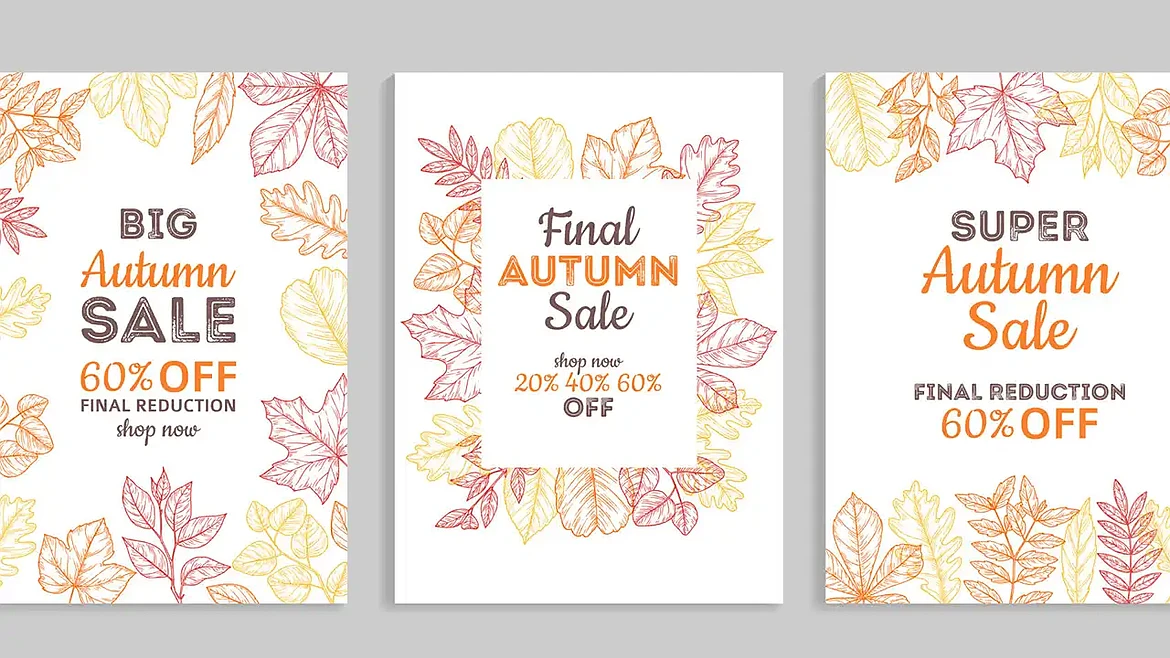
Physical flyers and posters remain essential for grassroots organizing because they reach people where algorithms can't. In Black communities, especially, printed materials carry a credibility and staying power that a social media post scrolled past in two seconds simply does not. The hands-on nature of a flyer means someone chose to put it there, which signals intention and investment in a way that a boosted ad never will.
Digital outreach matters, but it has a fundamental limitation: it only reaches people who are already connected, online, and paying attention. Print closes that gap. A well-placed poster works around the clock without a Wi-Fi connection, a subscription fee, or a platform that can shadowban your cause without explanation.
Are Flyers and Posters Still Effective?
The data consistently says yes, and the margin isn't close. A study by Virginia researcher Robert G. Magee, cited by PI World, compared print and digital versions of the same campaign materials and found that 82% of people remembered the print version, compared to just 49% for the digital version. Print also carried a 77% open rate against digital's 49%.
The effectiveness of flyers and posters comes down to a quality that no digital format has replicated: physical presence in physical space. A flyer pinned to a laundromat bulletin board or handed directly to someone on the sidewalk occupies that person's attention in a way that a notification dismissed from a lock screen does not. It also travels: passed down from hand to hand, left on a kitchen counter, and carried into conversation.
Print Recall vs. Digital in Community Settings
In communities where phone plans are limited, data is rationed, and people spend more time in shared physical spaces than in individual digital ones, print materials reach an audience that digital campaigns structurally miss. According to Amra & Elma's 2025 physical media research, buyers are 70% more likely to remember a brand (or, in organizing terms, a cause or an event) seen in print compared to digital. The haptic experience of holding something, reading it, and setting it down creates a cognitive imprint that scrolling past content on a screen doesn't produce.
Why Do Grassroots Organizers Still Use Printed Materials?
Knocking on a door and leaving a flyer is a fundamentally different interaction than sending a DM. The physical object signals that someone in this neighborhood, on this block, cares enough to print something and bring it to your door. That specificity of effort builds trust in a way that a Facebook event invitation, no matter how well-designed, simply doesn't.
The University of Kansas Community Tool Box, a widely used resource for grassroots organizers across the country, cites that posters and flyers remain among the most versatile tools available for community campaigns, reaching people across literacy levels, language backgrounds, and levels of digital access. With Black communities navigating a political moment where controlling the narrative matters urgently, that reach is not a minor consideration.
Canvassing, Tabling, and the Role of Printed Handouts
The most effective grassroots voter and community mobilization efforts pair face-to-face conversation with a printed leave-behind. When a canvasser knocks on a door, they have a few seconds to make an impression; when they leave a flyer, that impression has somewhere to land after the door closes. A printed piece left with a potential supporter can circulate to a spouse, a neighbor, or a family member who wasn't home, extending the reach of a single conversation well beyond the front porch.
Quality Printing Reflects Organization Credibility
A poorly printed, blurry flyer communicates something about the organization behind it, and it's not confidence. Quality quick print output, with crisp color and clean design, shows that your campaign is serious and your organization is capable. For movements asking communities to trust them with real power and real decisions, the professionalism of your printed materials is part of your argument.
Custom printing services that allow organizers to produce materials at scale without sacrificing quality have made this standard more accessible than it's ever been.
Designing Flyers and Posters That Actually Move People
The design choices behind a printed piece determine whether it gets absorbed or ignored, and organizers who treat design as an afterthought consistently underperform those who don't.
The elements that consistently separate effective printed materials from forgettable ones are straightforward but require intentional execution:
- A headline that addresses the reader's interest directly, not the organization's internal framing
- One clear call to action, such as a date, location, or number to text, rather than three competing asks
- Visual contrast that makes the piece legible from a distance, not just in close reading
- Contact information and a QR code that connects print to digital organizing tools
Document printing services that handle volume runs make it practical to distribute at the scale grassroots organizing actually requires. For Colorado-based organizers who need reliable, professional output, HP printers available through local leasing and service programs provide the flyer printing and poster output capacity that serious campaigns depend on without requiring a commercial print shop for every run.
Frequently Asked Questions
How Many Flyers Should a Grassroots Campaign Distribute?
Volume depends entirely on the geography and the goal. For a neighborhood meeting or local election, saturation within a defined area (every door on targeted blocks) consistently outperforms a wider, thinner distribution. Organizers generally recommend covering your highest-priority zones completely rather than spreading materials across a large area with low density, since repeated exposure in a specific area builds familiarity and drives turnout more reliably than one-time broad reach.
Can Printed Flyers Help With Digital Organizing Goals?
Consistently, yes. A flyer with a QR code that directs to a petition, a volunteer sign-up form, or a social media group functions as a physical on-ramp to digital organizing infrastructure.
This integration captures people who would never have found the digital resource on their own, particularly older community members, people with limited social media use, and those who engage primarily through physical community spaces rather than online platforms. The combination outperforms either channel used alone.
Get A Quality Quick Print for Your Campaigns
Physical flyers and posters are doing something digital outreach alone cannot: they show up in the spaces where communities actually gather, leave a tangible object behind, and carry information that travels from hand to hand without a digital platform.
Stay connected for more community coverage worth knowing.
This article was prepared by an independent contributor which helps us continue delivering quality content to our audiences.