
Stablecoins Explained: Benefits, Types, and Uses
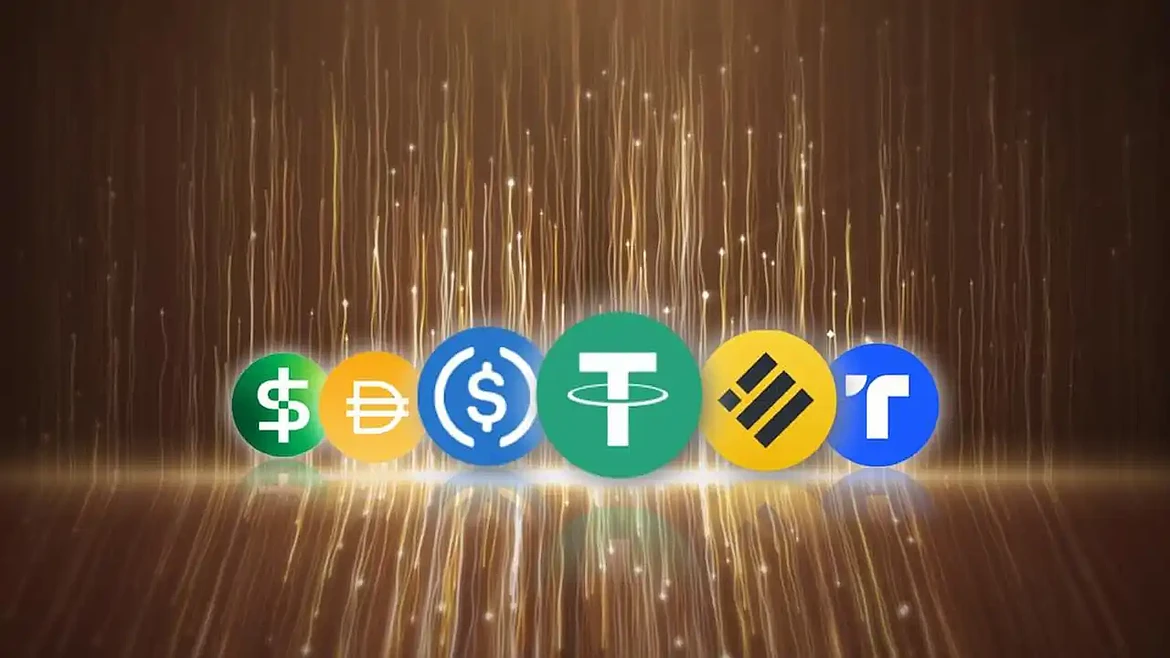
Stablecoins are cryptocurrencies designed to hold a steady value, usually by being tied to assets like the U.S. dollar, commodities, or algorithmic supply controls. They offer the speed and flexibility of crypto without the sharp price swings, making them useful for payments, trading, and storing value in digital form.
You are about to send money overseas, and the usual options feel slow, expensive, or unpredictable. Then you notice a different route, one that moves funds in minutes while keeping the value steady from start to finish. That is where stablecoins step in.
With tons of people investingin these coins every year, they have quietly become one of the most practical bridges between traditional finance and the fast-moving world of crypto.
What Are Stablecoins?
Stablecoins are a category within the different types of cryptocurrency meant to keep up a consistent value, most often by being pegged to a fiat currency like the U.S. dollar. Their primary goal is to reduce the volatility that is common across digital assets, making them easier to use for transactions, savings, and transfers.
Unlike assets such as Bitcoin or Ethereum, which can rise or fall sharply in short periods, stablecoins are built to hold a steady price. This stability makes them useful for users who want access to blockchain technology without the constant risk of price swings.
Stablecoins maintain their value through several structures that set them apart from different types of cryptocurrency. Fiat-backed models rely on reserves held in banks, while crypto-backed versions use collateral locked in smart contracts. Algorithmic stablecoins attempt to control supply and demand automatically to keep prices stable.
Benefits of Stablecoin Investments
Stablecoin investments appeal to users who want exposure to the different types of cryptocurrency without constantly dealing with unpredictable price swings. Their defining advantage is stability, which allows investors to hold value in a digital format that behaves more like traditional currency than a speculative asset.
That stability becomes especially useful during market uncertainty. Instead of converting funds back into fiat and waiting for bank processing times, investors can move into stablecoins almost instantly. This helps preserve capital while still keeping funds within the crypto ecosystem.
Liquidity is another key benefit that shapes how stablecoins are used. Transfers between exchanges, wallets, and decentralized platforms can happen quickly, often within minutes. This speed allows users to respond to changing conditions without delays, which is a major contrast to traditional financial systems that can take days to settle transactions.
Can You Make Money From Stablecoins?
Stablecoins also create opportunities to earn returns in ways that feel more predictable than traditional crypto investing. Many platforms allow users to lend stablecoins or provide liquidity in exchange for interest. Since the underlying asset is designed to remain stable, the focus shifts from price speculation to yield generation.
Accessibility
Accessibility plays an important role as well. Stablecoins can be used by anyone with an internet connection, making them a practical option for individuals who may not have access to traditional banking services. This opens the door to saving and managing funds in a digital environment without relying on conventional financial institutions.
What Should Beginners Look For Before Using Stablecoins?
One of the first things to evaluate is the type of backing behind the stablecoin. Some are supported by cash reserves held in financial institutions, while others rely on crypto collateral or algorithmic systems. Each model carries different levels of transparency and reliability.
The credibility of the issuer is another critical factor. Well-known stablecoins are typically managed by established organizations that provide regular reports on their reserves. These disclosures help users verify that the asset is properly backed.
Beginners should consider where they are buying, storing, and using stablecoins, whether that is through exchanges, mobile apps, or private wallets. Strong security features like the following can make a meaningful difference in protecting funds:
- Two-factor authentication
- Cold storage options
- Withdrawal whitelisting
- Biometric login protection
- Multi-signature wallet support
Long-Term Financial Planning
You can use stablecoins to support your future.
One of the most practical uses is as a reserve within a larger portfolio. Instead of moving funds in and out of traditional banking systems, users can shift value into stablecoins and keep it accessible for future opportunities. This approach allows for quicker decision-making when markets change, while still maintaining a buffer.
Some users allocate a portion of their holdings to stablecoins after realizing gains, effectively locking in profits without fully exiting the digital ecosystem. This creates a clearer separation between risk-based investments and more stable holdings.
Since stablecoins are meant to maintain a fixed value, they can be used for:
- Budgeting
- Setting aside funds for specific goals
- Separating short-term and long-term financial allocations
- Managing recurring financial commitments
This makes them useful for individuals who operate across multiple platforms or rely on digital income streams.
Frequently Asked Questions
Can Stablecoins Replace Cash Completely?
Stablecoins are unlikely to replace cash completely, but they are becoming a strong complement to traditional money. They offer faster transfers, digital accessibility, and global reach, which makes them useful for online payments and cross-border transactions.
Cash still plays an important role in everyday life, especially for in-person transactions and access in areas with limited internet or banking infrastructure. While stablecoins continue to grow, most experts expect them to exist alongside cash rather than fully replace it.
Are Stablecoins Available Worldwide?
Stablecoins are accessible in many parts of the world, but availability depends on local stablecoin regulations and platform support. In regions with active crypto markets, users can buy, hold, and transfer stablecoins through exchanges and digital wallets without major barriers.
Where Can I Buy Stablecoin?
You can buy stablecoins through cryptocurrency exchanges, fintech apps, and some digital payment platforms. Popular exchanges allow users to purchase stablecoins using bank transfers, debit cards, or existing crypto balances.
Some peer-to-peer platforms and crypto wallets also support direct purchases, giving users more flexibility in how they access stablecoins. Before buying, it is important to:
- Choose a reputable platform
- Verify account security settings
- Confirm which stablecoins are supported
- Review fees and transaction limits
- Check identity verification requirements
Invest in Stablecoins Today
There's a lot to understand about stablecoins. You should now have enough information to decide what's right for your wallet.
Do you need more investment advice? Explore some of our other useful posts today.
This article was prepared by an independent contributor which helps us continue delivering quality content to our audiences.