
How insulation improves energy-efficient homes
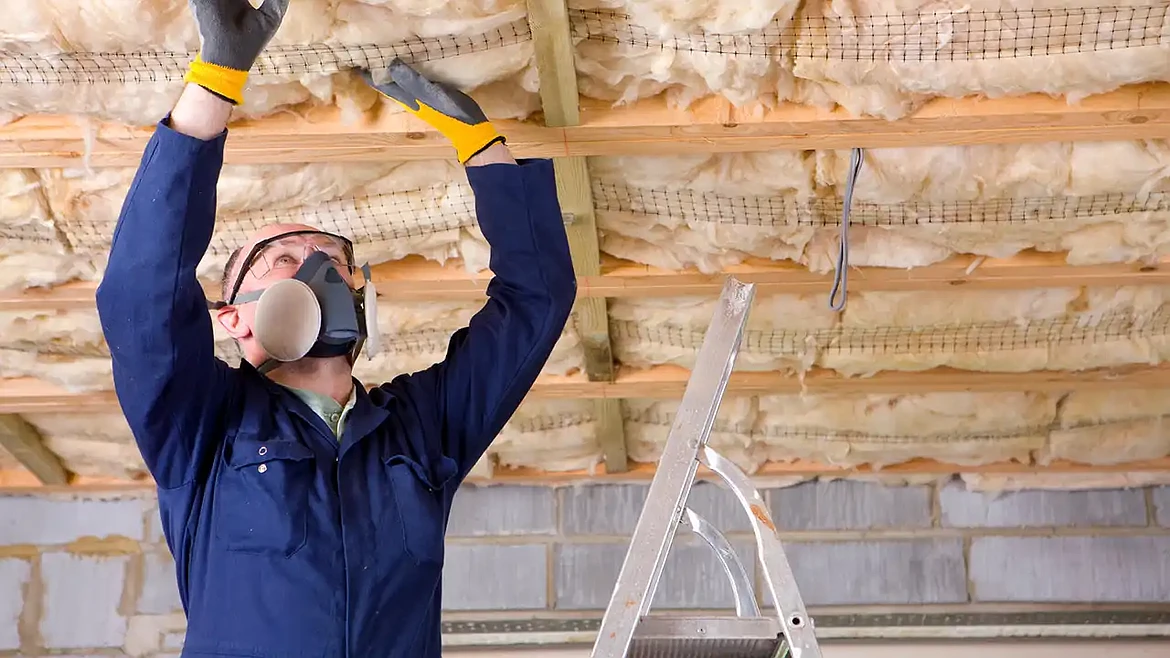
Insulation improves energy-efficient homes by trapping heated and cooled air where it belongs, helping reduce energy waste, lowering utility costs, and keeping indoor temperatures more consistent year-round. A well-insulated home also places less strain on HVAC systems, which can help extend equipment life while improving overall comfort.
A homeowner cranks the heat during a cold snap, only to feel chilly air creeping through the walls hours later. Meanwhile, a nearby house stays warm and comfortable with lower energy use and fewer thermostat adjustments.
That difference usually comes down to insulation. The right setup helps stop air loss before it drives up costs, creating a home that feels more comfortable in every season.
How Does Insulation Lower Energy Costs?
Insulation improves energy-efficient homes by slowing the movement of heat through walls, ceilings, floors, and attic spaces. Instead of constantly losing heated or cooled air, a properly insulated home keeps indoor temperatures more stable throughout the year.
This reduced heat transfer helps heating and cooling systems operate more efficiently. HVAC equipment does not need to run as often to maintain comfortable temperatures, which can lower monthly utility bills and reduce long-term strain on mechanical systems.
How Does Insulation Help Maintain Indoor Temperatures?
Indoor temperatures constantly change as outdoor weather shifts throughout the day. Insulation helps slow those changes, giving homes greater temperature stability instead of allowing heat or cold to move freely through the structure.
Homes with weak insulation often warm up quickly during hot afternoons and lose heat rapidly overnight. This creates temperature swings that force heating and cooling systems to work harder.
Proper insulation creates a thermal barrier that helps indoor air stay closer to the desired temperature for longer periods.
Temperature consistency also improves daily comfort because homeowners spend less time adjusting thermostats or relying on portable heaters and fans. Rooms tend to feel more usable throughout the year instead of becoming uncomfortable during seasonal weather extremes.
What Areas of a Home Need Insulation Most?
Some parts of a home lose energy faster than others, especially areas exposed to outdoor temperatures or constant airflow. Insulating the right locations can make a major difference.
Attics are usually one of the highest priority areas because rising heat naturally collects near the roof. Homes with weak attic insulation often experience major heat loss during winter and excessive heat buildup during summer.
Other areas that commonly need insulation attention include:
- Exterior walls
- Crawl spaces
- Basements
- Garage ceilings
- Rim joists
- Ductwork areas
Rooms located above attached garages are another common trouble spot. These spaces frequently feel colder in winter and warmer in summer because garages are rarely temperature-controlled.
Crawl spaces and basements can also affect home energy more than many homeowners realize. Poor insulation in lower levels may allow cold air and moisture to move upward into living spaces.
Some homeowners use a DIY spray foam set up to seal smaller gaps around pipes, framing joints, attic penetrations, and hard-to-reach openings where air leaks commonly develop. Air sealing around these problem areas can help insulation perform more effectively throughout the home.
Boosting Home Value
Homes with strong energy performance can feel more appealing because buyers recognize the financial benefits tied to lower monthly operating costs. Consistent indoor temperatures, quieter rooms, and fewer draft issues can also leave a stronger impression.
Insulation improvements may help protect parts of the home over time as well. Better temperature control can reduce moisture buildup inside walls and attic spaces, helping limit conditions that contribute to mold growth or material deterioration.
Modern buyers also pay closer attention to efficiency features than previous generations. Rising utility costs and increased awareness around energy use have pushed many homeowners to prioritize improvements that support long-term savings instead of only cosmetic upgrades.
Signs You Need More Insulation
Homes with poor insulation often show warning signs long before homeowners realize energy loss is becoming expensive. Utility bills may slowly rise from season to season, even when energy usage habits remain relatively consistent. You can do an energy audit to catch any big issues.
Indoor comfort problems are another common indicator. Certain rooms may feel difficult to keep warm during winter or uncomfortably hot during summer, especially spaces near the attic or exterior walls. Some homeowners also notice that indoor temperatures change quickly shortly after the heating or cooling system shuts off.
Noise levels can sometimes reveal insulation issues as well. Homes with limited insulation may allow more outside traffic sounds, neighborhood noise, or weather-related sounds to travel indoors.
Winter weather may expose additional problems. Ice buildup along roof edges can develop when heat escapes through the attic and melts snow unevenly. Condensation around walls or ceilings may also suggest a temperature imbalance inside the structure.
Frequently Asked Questions
Why Are Older Homes Less Energy Efficient?
Older homes were often built before modern insulation standards and energy-efficient construction practices became common. Many lose heated or cooled air through:
- Drafty windows
- Weak attic insulation
- Aging HVAC systems
- Hidden air leaks
Common problems include:
- Poor insulation
- Drafty doors and windows
- Outdated heating and cooling systems
- Air leaks in walls and attics
- Unsealed basements or crawl spaces
Are Brick Houses More Efficient?
Brick houses can be energy efficient because brick has strong thermal mass, meaning it can absorb and slowly release heat throughout the day. This helps indoor temperatures remain more stable, especially in climates with large temperature swings.
Efficiency still depends heavily on the overall construction of the home. A brick exterior alone will not guarantee lower energy bills if the house has:
- Poor insulation
- Air leaks
- Outdated windows
- Inadequate attic ventilation
What Roof Shape Is the Most Energy Efficient?
Simple roof designs with proper ventilation and attic space are often the most energy efficient. Gable roofs are commonly considered effective because their sloped design allows heat and moisture to escape more easily while also creating room for adequate attic insulation.
Hip roofs can also perform well because they provide stability and consistent airflow around the structure. In warmer climates, roof designs that support ventilation and reflective roofing materials often help reduce heat buildup inside the home.
Optimize Energy-Efficient Homes Today
Insulation can be a great option for energy-efficient homes.
Are you looking for more ways to reduce energy prices? Explore some of our other posts today.
This article was prepared by an independent contributor which helps us continue delivering quality content to our audiences.