
Uncovering the surprising truth about serious car crash injuries
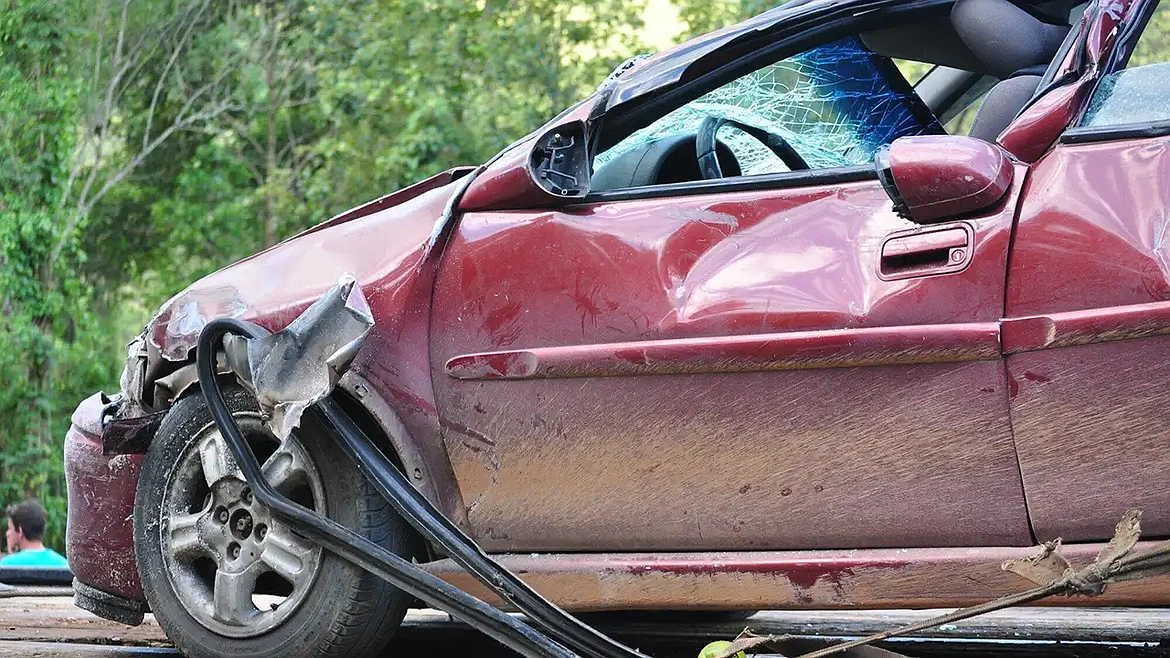
Serious car crash injuries are often more severe and longer-lasting than people realize. Many victims do not experience symptoms immediately, which can delay treatment for concussions, spinal injuries, internal bleeding, and soft tissue damage. Recovery also extends beyond physical pain, since emotional stress, financial pressure, and reduced mobility frequently affect daily life after a crash.
A rideshare passenger walks away from a wrecked car, insisting they are "fine," only to wake up the next morning unable to turn their neck or feel their fingers. Hours earlier, the crash looked minor from the outside. Inside the body, the damage had already started.
An estimated 36,640 traffic fatalities occurred in 2025, a reminder that roadway accidents continue to cause devastating consequences across the country. Even nonfatal crashes can leave people dealing with injuries that reshape careers, routines, relationships, and long-term health in ways they never expected.
What Is Considered a Serious Car Crash?
Not every dangerous collision looks dramatic in photos or news footage. A crash may still be considered serious when it creates enough force to disrupt normal daily life or leave lasting physical limitations. In some situations, a person can leave the scene walking and still face months of recovery afterward.
Law enforcement and medical professionals often classify crashes as serious when they involve hospitalization or loss of consciousness. Accidents involving pedestrians, motorcycles, commercial trucks, or multiple vehicles also tend to carry higher injury risks because of the increased impact forces involved.
Several warning signs can point to a more severe collision:
- Occupants needing emergency extraction
- Broken glass throughout the cabin
- Crushed door panels or roof damage
- Long road closures after the crash
- Emergency transportation to a hospital
- Significant damage near seating areas
- Multiple injured passengers
Traumatic Brain Injury Dangers
Head injuries after a car crash are often more complex than people realize because the damage may affect how a person thinks, reacts, communicates, or processes information.
Some head-on collision victims begin struggling with tasks they previously handled easily. They may lose track of conversations, forget appointments, react more slowly, or have trouble focusing in crowded environments. These changes can create:
- Frustration at work
- Tension at home
- Difficulty returning to normal routines
- Trouble maintaining relationships
- Increased anxiety during daily activities
Traumatic brain injuries can also affect emotional regulation. People sometimes become more irritable, withdrawn, impulsive, or emotionally overwhelmed after head trauma. Those shifts are frequently misunderstood because outward physical injuries may already appear healed.
Another danger involves delayed diagnosis. Standard emergency evaluations may not fully reveal cognitive problems during the first hours after a collision. Symptoms sometimes become more noticeable once the injured person returns to school, work, or daily responsibilities that require concentration and memory.
Watching Out for Undetected Injuries
Some of the most damaging car crash injuries are the ones people cannot immediately see. Cuts, bruises, and broken glass are obvious reminders of a collision, but hidden injuries often develop quietly in the background while victims focus on getting home, replacing a vehicle, or handling insurance paperwork.
It is common for people to dismiss subtle symptoms in the first few days after an accident. Mild fatigue may actually signal a concussion. Slight numbness in the fingers could point to nerve compression. Lingering tightness in the lower back may eventually develop into more serious spinal complications.
Changes in daily habits can sometimes reveal hidden injuries before medical scans do. Trouble concentrating at work, difficulty sleeping, increased irritability, or sensitivity to bright lights may all appear after a traumatic collision. Some people also notice that ordinary movements like climbing stairs, turning their head, or carrying groceries suddenly feel more difficult.
Family members are occasionally the first to notice these changes. They may recognize personality shifts, slowed reactions, memory issues, or physical discomfort that the injured person tries to ignore. Paying attention to those smaller warning signs can help prevent delayed treatment.
What To Do After a Serious Car Crash
Calling emergency responders should happen as soon as possible after a significant accident, even if injuries do not appear severe right away. Some conditions may take time to develop noticeable symptoms. Medical evaluations also create documentation that can become important later during insurance claims or recovery planning.
Drivers should try to document the scene carefully if they are physically able to do so. Photos of vehicle damage, road conditions, traffic signs, and visible injuries can help preserve important details from the crash. Witness information and police reports may also become useful during investigations or insurance discussions.
Many accident victims later discover that recovery involves more than physical treatment alone. The following can quickly add pressure during an already difficult situation:
- Missed work
- Emotional stress
- Transportation challenges
- Rising medical costs
- Childcare responsibilities
- Insurance claim disputes
- Household financial strain
Some people choose to speak with a personal injury attorney to better understand their legal options and how accident-related expenses may be handled.
Frequently Asked Questions
What Is the Hardest Injury To Prove After a Car Accident?
Soft tissue injuries and chronic pain conditions are often among the hardest injuries to prove after motor vehicle collisions because they may not appear clearly on X-rays or other imaging tests.
Medical records, ongoing treatment, and consistent documentation usually play an important role in showing how the injury affects daily life over time.
What Not To Tell Your Insurance Company?
After a car accident, it is important to avoid guessing about injuries, admitting fault, or minimizing symptoms before a full medical evaluation. Statements like "I'm fine" can later complicate insurance claims if injuries appear days after the crash.
Drivers should:
- Stick to factual details
- Provide accurate documentation
- Avoid speculation
- Keep copies of documentation
What Is the Most Common Spinal Injury in a Car Accident?
Whiplash is one of the most common spinal-related injuries after a car accident, especially in rear-end collisions. The sudden force of impact causes the neck to move rapidly back and forth, which can strain muscles, ligaments, and soft tissue surrounding the cervical spine. Some people recover within weeks, while others experience issues that last much longer.
Serious Car Crash: Protect Yourself Today
There's a lot that can go wrong after a serious car crash. Prepare yourself and watch for hidden injuries, and you'll be in a better place.
Do you need more help keeping yourself safe? Check out some of our other useful posts today.
This article was prepared by an independent contributor which helps us continue delivering quality content to our audiences.